
A Short History of the Classic Tee


How the Classic Tee Got Its Start
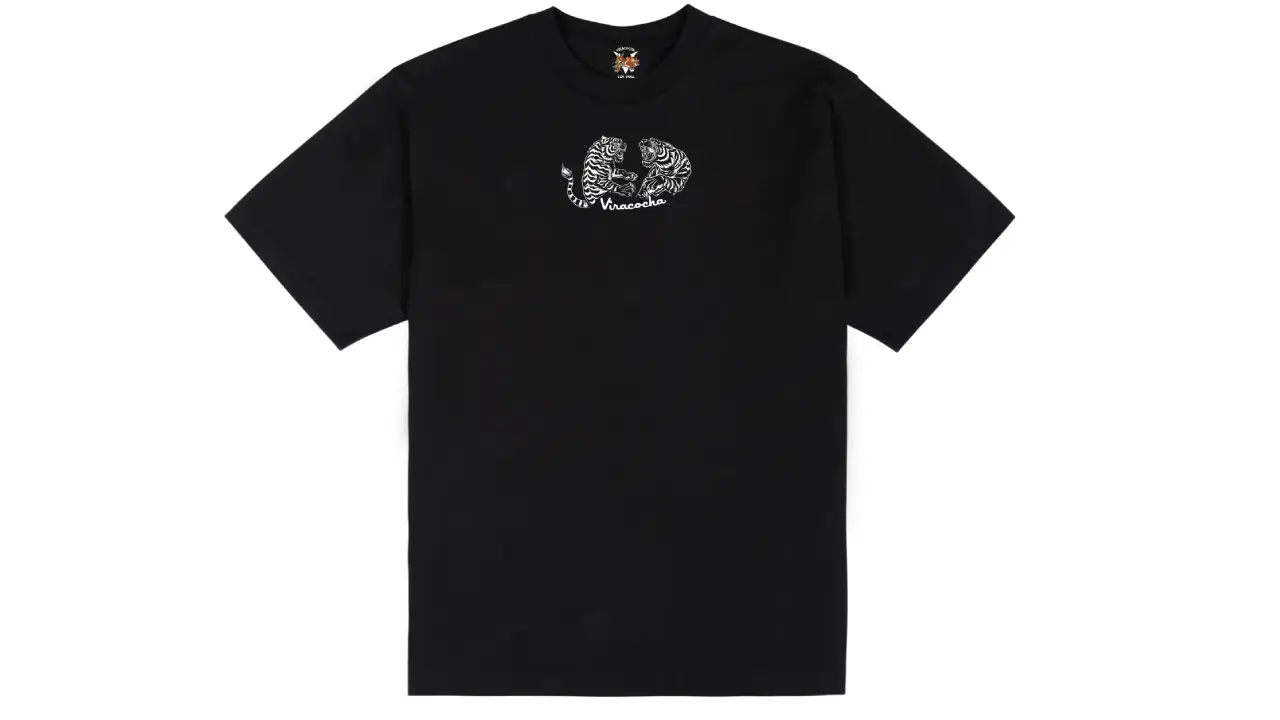
The classic tee has a longer backstory than most people expect. It began life as underwear in the late 1800s and early 1900s, worn by laborers and sailors who needed something light under heavier work clothes. The U.S. Navy issued them as standard undergarments during World War I, and soldiers liked the fit so much that many kept wearing them once they got home. That habit is really where the shift started: a piece of underwear becoming something a person would wear on its own, in public, without a jacket over it.
Key takeaways
- The classic tee started as military and workwear underwear before becoming outerwear in its own right.
- The 1950s and 1960s turned the tee into a symbol of casual, youthful style, largely through film and music.
- A well-made classic tee still depends on the same basics: breathable fabric, a simple cut, and a fit that works layered or alone.
By the 1930s and 1940s, the tee had moved from strictly military to general workwear. Farmers, factory workers, and students adopted it because it was cheap, easy to wash, and comfortable in warm weather. If you’re browsing warm-weather basics today, a shop like bottega desires carries the kind of simple clothing pieces that trace directly back to this early, no-frills version of the tee. The garment hadn’t become fashion yet, but it had already become essential.
For warm climates or travel, pairing a tee with something like bottega desires shorts keeps the whole outfit light without sacrificing a clean, put-together look.
The Tee Becomes a Fashion Statement
The real turning point for the classic tee came in the 1950s. Marlon Brando in A Streetcar Named Desire and James Dean in Rebel Without a Cause both wore a plain white tee with nothing over it, and audiences noticed. Suddenly a piece of underwear looked rebellious, even a little dangerous. Young men started copying the look, pairing a tee with jeans instead of a collared shirt, and for the first time the garment carried an attitude instead of just a function.
The 1960s and 1970s pushed the tee even further into everyday fashion. Screen printing became cheap and reliable, so bands, colleges, and political movements started putting messages and graphics directly on the fabric. A tee stopped being just plain white. It became a way to say something about who you were or what you supported, without saying a word out loud. That’s still true today: a graphic tee at a concert or a plain tee at the beach both send a signal about the kind of day someone is planning.
Why the Classic Tee Never Went Out of Style
Part of the tee’s staying power comes down to how well it fits into almost any warm-weather routine. It layers easily under a light jacket on a cool evening, and it stands on its own during a hot afternoon. It travels well because it packs flat and doesn’t wrinkle the way a dress shirt does. For anyone building a summer or vacation wardrobe, the classic tee is usually the first piece that goes in the bag, not the last.
There’s also the matter of cost versus use. A good cotton tee is inexpensive compared to most other wardrobe staples, yet it gets worn constantly, sometimes several times a week. That ratio of low cost to high use is rare in clothing, and it’s a big reason the tee has held its place through decades of changing trends. Blazers go in and out of fashion. Skinny jeans come and go. The plain tee just keeps getting worn.
What to Look for in a Classic Tee Today
Not every tee is built the same, even though they can look identical on a hanger. Fabric weight matters more than most shoppers realize. A lightweight cotton or cotton blend breathes better in heat and dries faster after a wash, which matters if you’re packing for a trip and don’t want to bring ten of them. Heavier cotton feels sturdier but traps warmth, which can be uncomfortable once the temperature climbs past 80 degrees.
Cut is the other detail worth paying attention to. A classic tee should sit close enough to look intentional but loose enough to move in. Sleeves that hit right at the middle of the upper arm tend to look the most balanced, whether worn alone or under an open shirt. Neckline depth matters too: a slightly wider crew neck reads more casual, while a narrower one looks a bit more finished.
Color and finish round out the decision. White and gray remain the most versatile because they pair with nearly every other piece in a warm-weather wardrobe, from shorts to linen pants to swim trunks. A slightly worn-in, matte finish tends to look more relaxed than a stiff, glossy one straight off the shelf, which fits the whole point of the classic tee: it’s supposed to look easy, not fussy.
The Classic Tee’s Place in a Modern Wardrobe
Almost a century after it left the military and factory floor, the classic tee still does the same basic job it always did: keep a person cool, comfortable, and covered without any fuss. What’s changed is everything around it, the fabrics, the fits, the way people layer it with other pieces for travel or hot weather. The tee itself has stayed remarkably simple, and that simplicity is exactly why it’s still the piece most people reach for first.
Frequently asked questions
When did the classic tee become popular as outerwear?
The shift happened mainly in the 1950s, when actors like Marlon Brando and James Dean wore plain tees on screen without a shirt over them. That look caught on fast with younger audiences looking for something more casual than a button-down.
What fabric is best for a classic tee in warm weather?
Lightweight cotton or a cotton blend with a bit of breathability works best in heat. Heavier cotton or thick blends trap warmth and can feel stiff once you start sweating.
Is the classic tee still relevant in 2026?
Yes, it remains one of the most worn pieces in casual wardrobes because it pairs with almost anything and works in nearly every climate. Its simplicity is exactly why it hasn’t gone out of style.