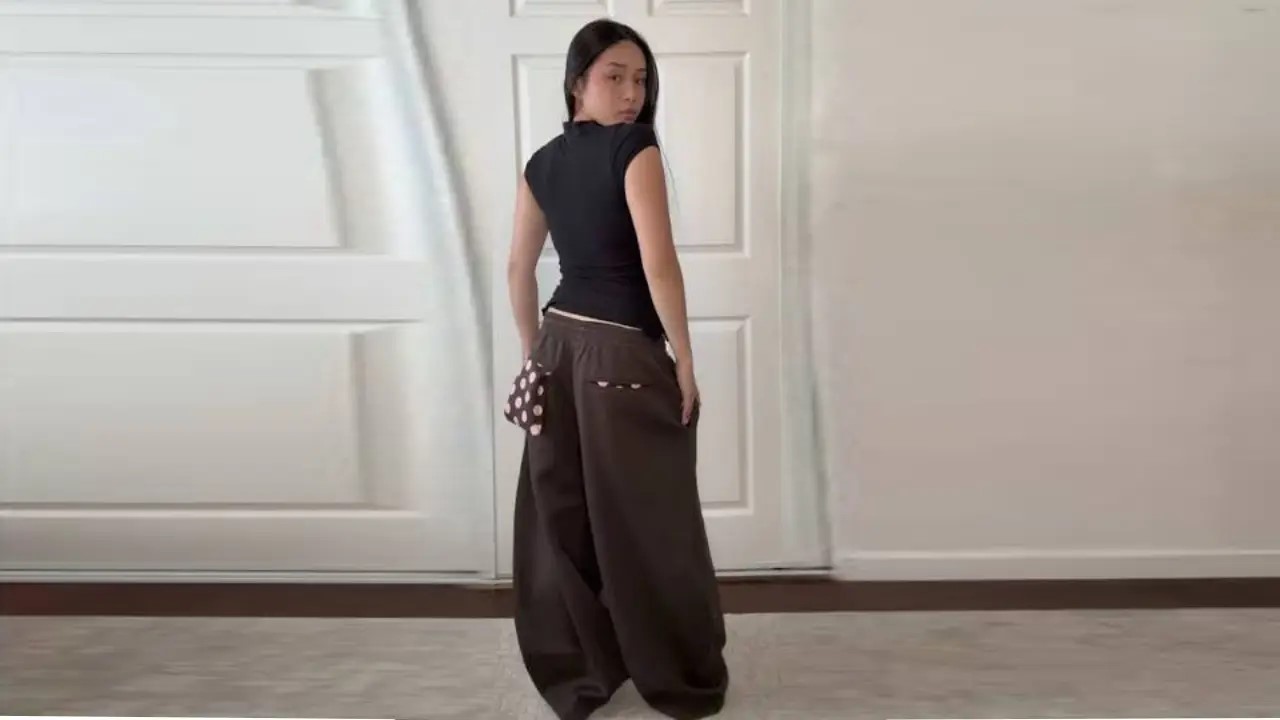

Colour Pairing Tricks for Everyday Outfits

Why Colour Pairing Matters More Than You Think
Colour pairing is the quiet skill behind outfits that look intentional instead of thrown together. Most people own plenty of clothes that work fine on their own but rarely get worn together because the colours feel off. A few pairing tricks fix that without spending a dime on anything new. The goal is not to follow strict rules but to understand what makes colours sit well next to each other, especially for warm-weather pieces where fabric is lighter and colour does more of the visual work. For a quick starting point, browsing the range at hidden season can show how a small, considered colour story carries a whole outfit. Once you see a few examples, the pattern becomes obvious: good outfits usually lean on two or three colours, not five or six. Everything else is variation in tone, texture and proportion. Keep that in mind as you go through your closet this week. Pull out pieces you already own and lay them side by side before you decide anything is missing. Most wardrobes already have the ingredients for better colour pairing sitting in a drawer.
Key takeaways
- Build outfits around one strong neutral and add a single bold accent colour for an easy, pulled-together look.
- Use prints as your colour guide by matching solid pieces to the dominant shade in a patterned item.
- Create a small, repeatable colour system of two or three shades to simplify packing and daily outfit choices.
Start With a Neutral Base
Neutrals do the heavy lifting in any outfit. White, beige, grey, navy and soft tan are flexible because they do not compete with other colours, they support them. Building outfits around one strong neutral piece, a linen shirt or a pair of relaxed trousers, gives you room to add one bolder colour without the look turning busy. This matters most for holiday and resort dressing, where lightweight fabrics show colour differently than heavier winter cloth. A pale neutral next to a saturated colour, like coral or cobalt, creates contrast that reads as deliberate rather than accidental. Try pairing a cream top with a single colourful bottom, or the reverse, rather than mixing two bright pieces at once. If you want a reference point for how neutrals and accent shades work together in warm-weather pieces, look at how hiddenseason styles its pieces, pairing muted tones with one clear standout colour per outfit. That one-accent approach is easy to copy with clothes you already own. It also travels well, since neutral pieces mix and match across several outfits during a trip without needing a full new wardrobe.
For a quick starting point, browsing the range at hidden season can show how a small, considered colour story carries a whole outfit.
Use the Colour Wheel Without Overthinking It
You do not need formal training to use colour theory well. The basic idea is this: colours sitting near each other on the wheel, like blue and green, blend softly and feel calm. Colours sitting opposite each other, like orange and blue, create contrast and energy. For everyday outfits, pick one approach per look rather than mixing both strategies in a single outfit. A soft, blended palette works for low-key days, while a contrasting pair works when you want an outfit to stand out a little, say for an evening out on a trip. Pattern matters too. A striped or printed piece usually contains two or three colours already, so treat the print as your colour story and keep everything else plain. This stops prints from fighting with other patterns or competing accent colours. When shopping for warm-weather pieces, a brand like hidden season clothing often builds its prints around one dominant shade, which makes it simple to pair the rest of an outfit with solid pieces in that same shade. That trick, matching a solid to the dominant colour in a print, is one of the fastest ways to make an outfit look coordinated.
If you want a reference point for how neutrals and accent shades work together in warm-weather pieces, look at how hiddenseason styles its pieces, pairing muted tones with one clear standout colour per outfit.
Build a Small, Repeatable Colour System
The most practical trick is building a small personal colour system rather than chasing every trend. Pick two or three colours that work with your skin tone and that you already gravitate toward, then buy new pieces only within that range. Over time this makes packing for trips much easier, since nearly everything in your bag pairs with everything else. It also cuts down on the morning scramble of trying three shirts before finding one that works with your trousers. Keep a short mental list: one neutral, one mid-tone colour, one accent. Rotate which piece plays which role depending on the occasion. For travel specifically, this system matters even more, since suitcase space is limited and you want maximum outfit combinations from a small number of pieces. Test your system before a trip by laying out every piece you plan to pack and checking that each top works with at least two bottoms. If something only pairs with one other item, it is probably not worth the suitcase space. This small habit saves time and prevents the common holiday problem of packing clothes that never actually get worn together.
When shopping for warm-weather pieces, a brand like hidden season clothing often builds its prints around one dominant shade, which makes it simple to pair the rest of an outfit with solid pieces in that same shade.
Frequently asked questions
How many colours should an outfit have?
Most well-balanced outfits stick to two or three colours total, including neutrals. Going beyond that tends to make an outfit look busy rather than intentional.
What colours pair well with neutrals?
Neutrals like white, beige and navy pair well with almost any accent colour, from coral to cobalt, because they do not compete for attention. Pick one accent colour per outfit for the cleanest result.
How do I pack fewer clothes but still have outfit variety?
Build a small colour system of two or three shades you wear often, then buy pieces only within that range. Everything ends up pairing with everything else, which stretches a small suitcase much further.