
The Surprising Origins of Everyday Clothing Basics


Clothing Basics Origins: Why the T-Shirt Started as Underwear
Clothing basics origins rarely match the image we have of them today. The plain white t-shirt, now a warm-weather staple from the beach to the boardwalk, began life as an undergarment for sailors in the late 1800s. Navies handed out the simple cotton pullover because it was cheap, easy to wash, and kept wool uniforms from chafing bare skin. It wasn’t meant to be seen. Soldiers in both World Wars kept wearing it under their jackets, and by the time they came home, the habit of wearing it alone in hot weather had stuck. Hollywood actors in the 1950s made it look rebellious rather than utilitarian, and the rest is retail history.
Key takeaways
- The t-shirt began as naval underwear, which explains its loose, breathable design that still suits warm climates.
- Denim was built for laborers’ durability, not comfort, which is why lighter denim works better for travel.
- Swimwear and resort clothing evolved from decency laws and climate necessity, not fashion trends.
What’s useful for shoppers now is remembering that the t-shirt’s whole design logic, loose fit, breathable cotton, a round neck that doesn’t trap heat, was built for men standing on hot metal decks. That’s exactly why it still works for vacation packing. A shop that keeps this history visible in its product thinking is blanks by thirteen, which sells clothing built around that same stripped-down, functional idea rather than chasing passing trends. For readers who want to see that approach in practice, blanksbythirteen is worth a look.
Denim: Workwear Before It Was Weekend Wear
Jeans have an origin story that gets repeated so often it sounds like folklore, but the basics hold up. Denim was woven as a tough fabric for laborers, miners, and railroad workers in the American West during the 1870s. Copper rivets were added at stress points because pockets kept tearing under the weight of tools. Nobody designing those pants imagined them on a resort patio or paired with linen for a summer dinner. The fabric was chosen purely for durability, not for how it looked.
That gap between original purpose and current use is common in clothing basics origins. What started as armor against physical labor became a canvas for personal style decades later, once denim moved from factories to subcultures and then to mainstream fashion. For warm climates, lighter-weight denim or denim blends have taken over, since the original heavy canvas was never meant for comfort in the heat. Knowing this history helps when you’re shopping for travel pieces, since a fabric’s original job often explains why it still behaves a certain way, stiff, warm, slow to dry, long after its purpose has changed.
The Hoodie’s Start on the Training Field
The hooded sweatshirt is another basic with a practical, unglamorous beginning. It was developed in the 1930s for workers in upstate New York cold-storage warehouses who needed extra protection around the neck and head. Athletic teams adopted it soon after for training in chilly weather before games, which is why so many early logos were college and pro team names. It had nothing to do with leisurewear at first; it was simply gear for standing around in the cold.
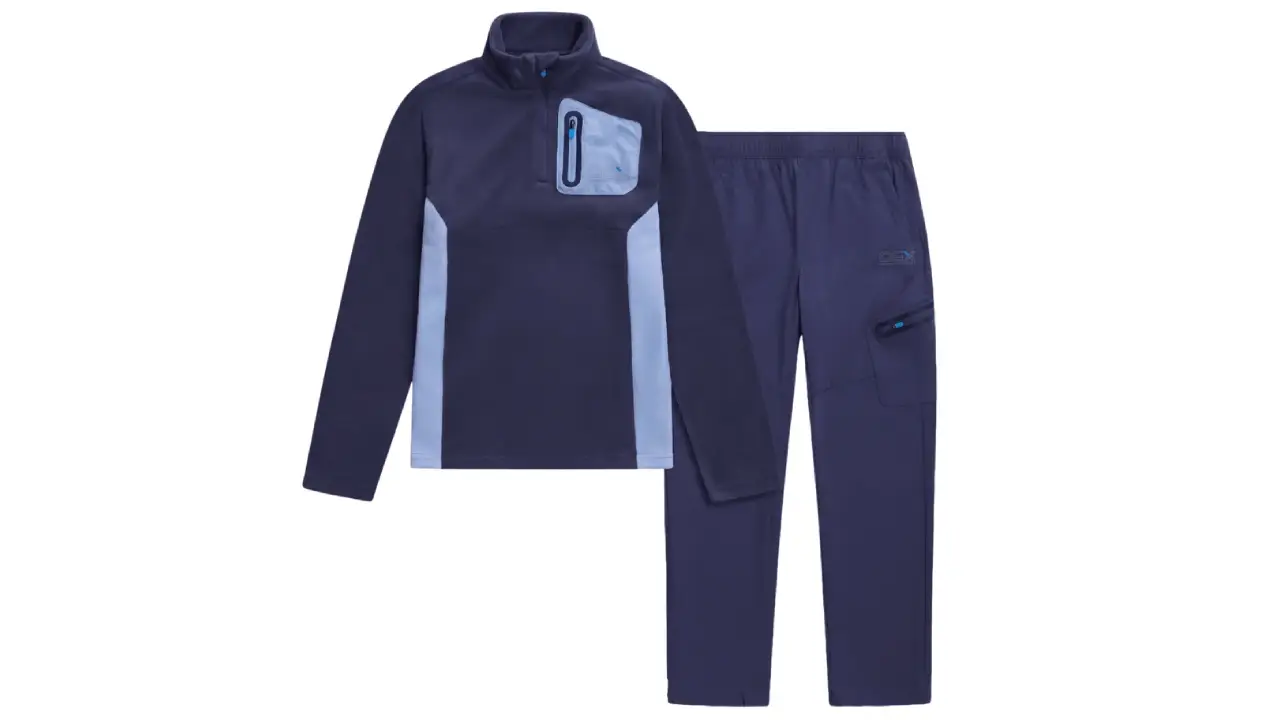
The hoodie’s jump into everyday fashion came later, through skate culture and hip hop in the 1970s and 80s, long after its warehouse and sideline origins. For warm-weather travelers, a lightweight hoodie still serves its original purpose: something to throw on when the sun drops or the air conditioning in a hotel room runs too cold. Brands that focus on simple, well-made basics, including blanksbythirteen, tend to treat the hoodie the same way its inventors did, as a functional layer rather than a logo-covered statement piece.
Swimwear and the Invention of the Vacation Wardrobe
Swimwear has the youngest history among everyday basics, and it shows how clothing basics origins can be driven by rules as much as by need. Public decency laws in the early 1900s dictated how much skin a bathing suit could show, which is why early swimsuits looked more like wool dresses than anything you’d wear in water today. It took decades of court cases, beach patrols measuring hemlines, and gradual social change before swimwear shrank into the trunks and one-pieces we recognize now.
Resort clothing followed a similar path. Linen shirts, loose trousers, and breathable cover-ups were originally designed for colonial officials and travelers dealing with hot, humid climates, not for leisure. Comfort was a side effect of necessity. When you’re packing for a warm destination, remembering that these pieces were built for heat survival, not style, explains why natural fibers still outperform synthetic ones on a humid afternoon. A brand like blanks by 13 fits into that same lineage, selling clothing meant for simple comfort rather than costume.
Frequently asked questions
Why was the t-shirt originally worn as underwear?
Sailors and soldiers wore it under uniforms because the cotton fabric was cheap, washable, and prevented wool from irritating the skin. It only became outerwear after veterans kept wearing it alone in hot weather.
What was denim originally used for?
Denim was woven as a rugged fabric for miners, railroad workers, and laborers in the 1870s American West. Copper rivets were added to strengthen pockets that tore under heavy tools, not for style.
Why do old clothing basics still work well for warm weather?
Many basics were originally designed to handle heat, labor, or harsh conditions, so their fabrics and cuts naturally suit warm climates. That practical origin is why loose cotton and linen pieces still perform better than newer synthetic alternatives.