
Layering a Plain T Shirt for Everyday Versatility

Why Layering a Plain T Shirt Works So Well
Layering a plain t shirt is the easiest way to stretch one garment across an entire trip or an entire week. A plain tee has no print, no slogan, no loud color fighting for attention, so it slides under or over almost anything you own. That neutrality is exactly why it earns its place in a warm-weather wardrobe: it never competes with the piece you add next. Start with a well-fitted tee in white, black, or a soft neutral like sand or stone. Those shades pair with printed shirts, linen jackets, and even bold swim trunks without clashing. If you want a reliable starting point, picante carries simple basics that work as a foundation layer rather than a statement piece, which is the whole point of layering well.
Key takeaways
- A plain, well-fitted t shirt works as a neutral base that pairs with almost any outer layer.
- Choose breathable fabrics like cotton and linen so layers don’t trap heat in warm climates.
- Limit yourself to one outer layer during the day and save heavier pieces for cooler evenings.
The trick is thinking of the t shirt as a base, not a finished look. On its own it reads casual, almost too casual for dinner out or a boat trip. Add one more piece and it instantly looks considered. That one extra layer, a shirt, a light jacket, a vest, is what separates “I just grabbed this” from “this is an outfit.” Keep the tee fitted but not tight, since a boxy or overly snug shirt will show every wrinkle once you put something over it.
Building Warm-Weather Layers That Actually Breathe
Warm climates punish anything heavy, so layering a plain t shirt for heat means choosing fabrics that move air rather than trap it. Cotton and linen blends are the safest bet because they breathe and soften with wear. Over the tee, a loose linen overshirt left unbuttoned adds shape without adding real warmth. This works for daytime markets, beach towns, and airport layovers where the air conditioning swings from freezing to humid within an hour.
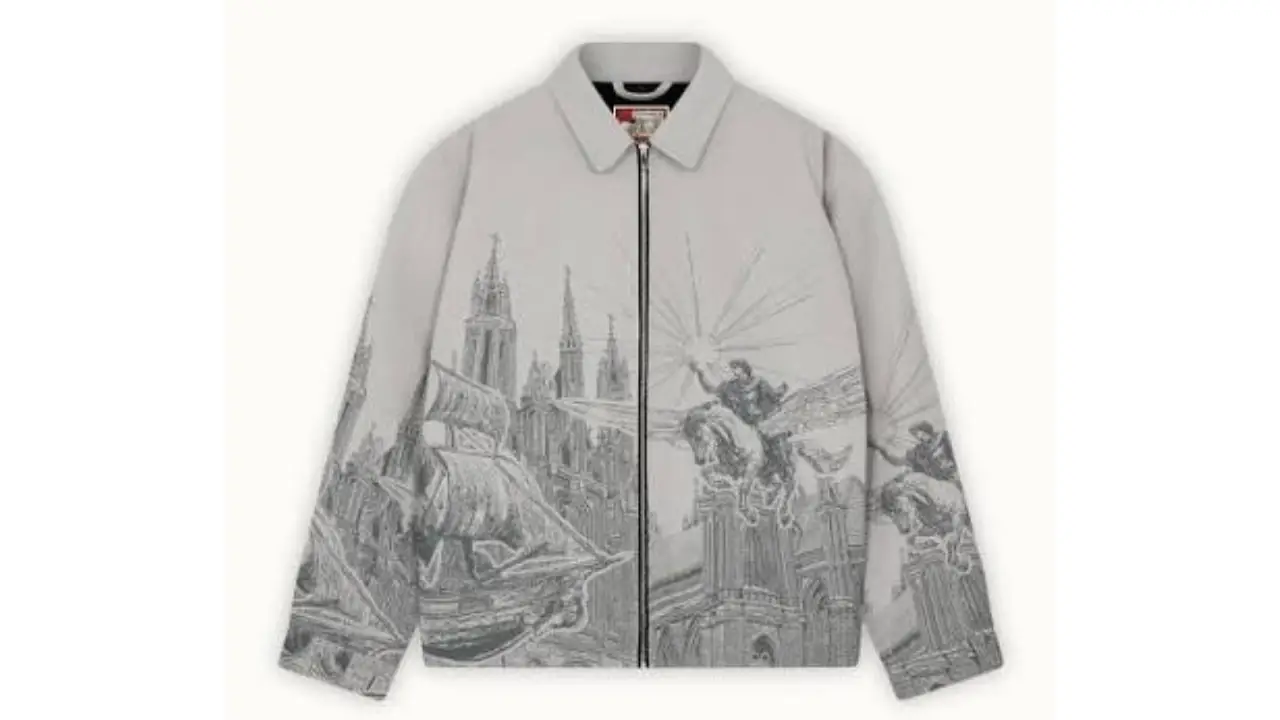
For evenings, swap the overshirt for something with a bit more structure, like a lightweight bomber or a cotton-blend jacket you can push the sleeves up on. The tee underneath stays constant while the outer layer changes with the temperature drop that comes after sunset in most coastal destinations. This is also where color discipline pays off: a plain tee lets you repeat the same jacket or shirt two or three times during a trip without anyone noticing you’re in a loop, because the base layer always looks fresh.
Resist the urge to layer with anything too thick underneath a fitted tee. Undershirts or compression layers tend to show through lighter fabrics and ruin the clean line that makes a plain t shirt useful in the first place.
Pairing a Plain T Shirt With Outer Layers for Travel
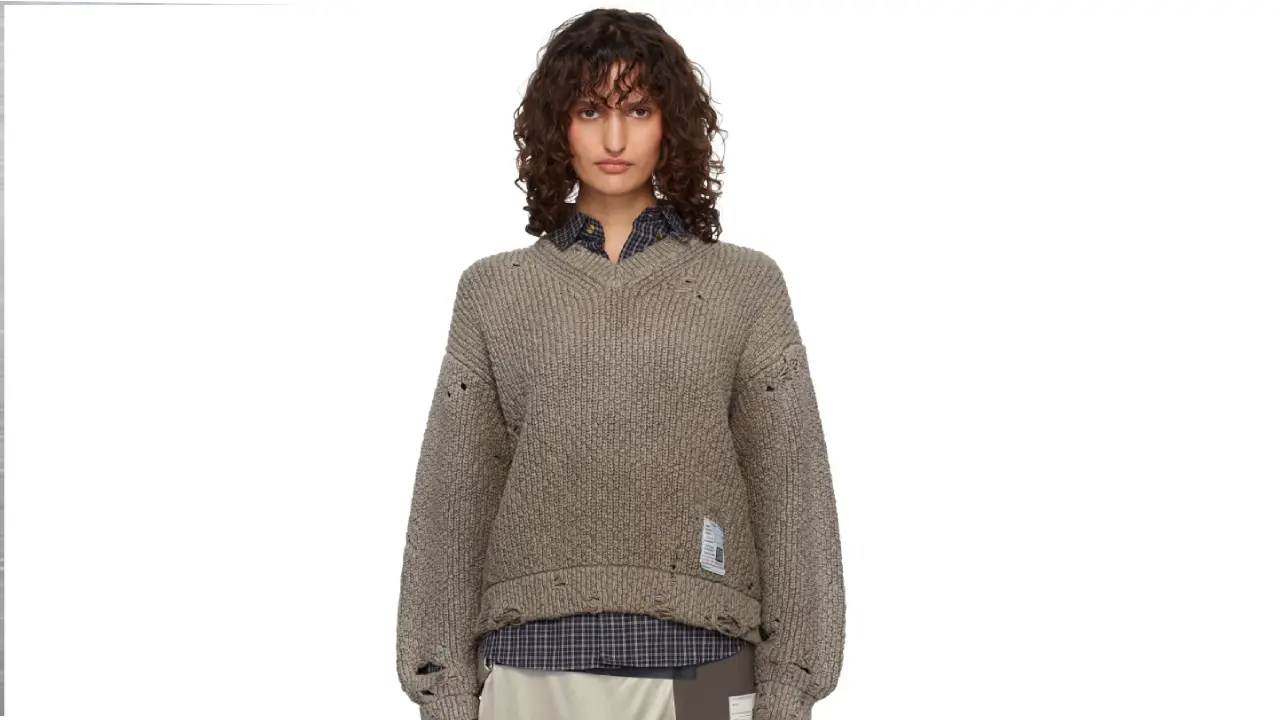
Packing for warm destinations rewards pieces that do double duty, and a plain t shirt layered under a few different outer pieces is the most efficient way to pack light. Bring two or three tees in neutral tones, then rotate them under a linen shirt for daytime, a light knit for air-conditioned restaurants, and a casual jacket for breezy evenings on the water. Each combination looks different enough that nobody clocks the repeat tee underneath.
If you’re shopping for that base layer before a trip, a well-made picante t shirt is a reasonable place to start, since the goal is a simple, true-to-size tee rather than anything with heavy branding. Choose a slightly higher neckline if you plan to layer open shirts over it, since a deep V can look odd peeking out from under a button-down.
Shoes and accessories matter here too. A plain tee under a linen shirt reads differently with sandals than it does with woven loafers, so think about the whole silhouette rather than just the top half. Rolled sleeves on the outer layer keep the look relaxed instead of overdressed, which matters in hot, casual settings.
Styling Mistakes That Undercut a Simple T Shirt
The most common mistake is treating layering a plain t shirt as an excuse to pile on fabric. Too many layers in warm weather just means sweating through all of them. Stick to one tee plus one outer piece during the day, and save a second layer for evening when temperatures actually drop. Fit is the second mistake: a stretched-out or overly long tee ruins the clean base that layering depends on, so replace tees once they lose their shape rather than trying to hide the problem under a jacket.
Color mismatches are another trap. A busy printed shirt over a busy printed tee looks cluttered, so keep at least one layer solid. Fabric weight matters as well, since a heavy flannel over a thin cotton tee can feel unbalanced in humid air. Brands under the wider picante clothing label tend to stick to simple cuts for exactly this reason, making them easier to build around. Finally, don’t forget texture: pairing a smooth tee with a textured linen or waffle-knit layer adds visual interest without adding any extra color or pattern to think about.
Frequently asked questions
What is the best fabric for layering a plain t shirt in hot weather?
Cotton and linen blends are the most breathable choices, since they let air move and soften with wear. Avoid thick synthetic blends underneath outer layers, as they trap heat and can feel damp quickly in humid conditions.
How many layers should I wear over a t shirt in warm climates?
One outer layer during the day is usually enough, such as a light linen shirt or unbuttoned overshirt. Save a second, slightly heavier layer for evenings when temperatures drop after sunset.
Does the color of a plain t shirt matter for layering?
Yes, neutral tones like white, black, sand, and stone work best because they don’t clash with printed or patterned outer layers. A neutral base also lets you repeat the same tee across several outfits without it looking repetitive.