

How Many Pieces You Really Need for a Minimalist Wardrobe

Why Minimalist Wardrobe Pieces Work for Warm Weather Travel
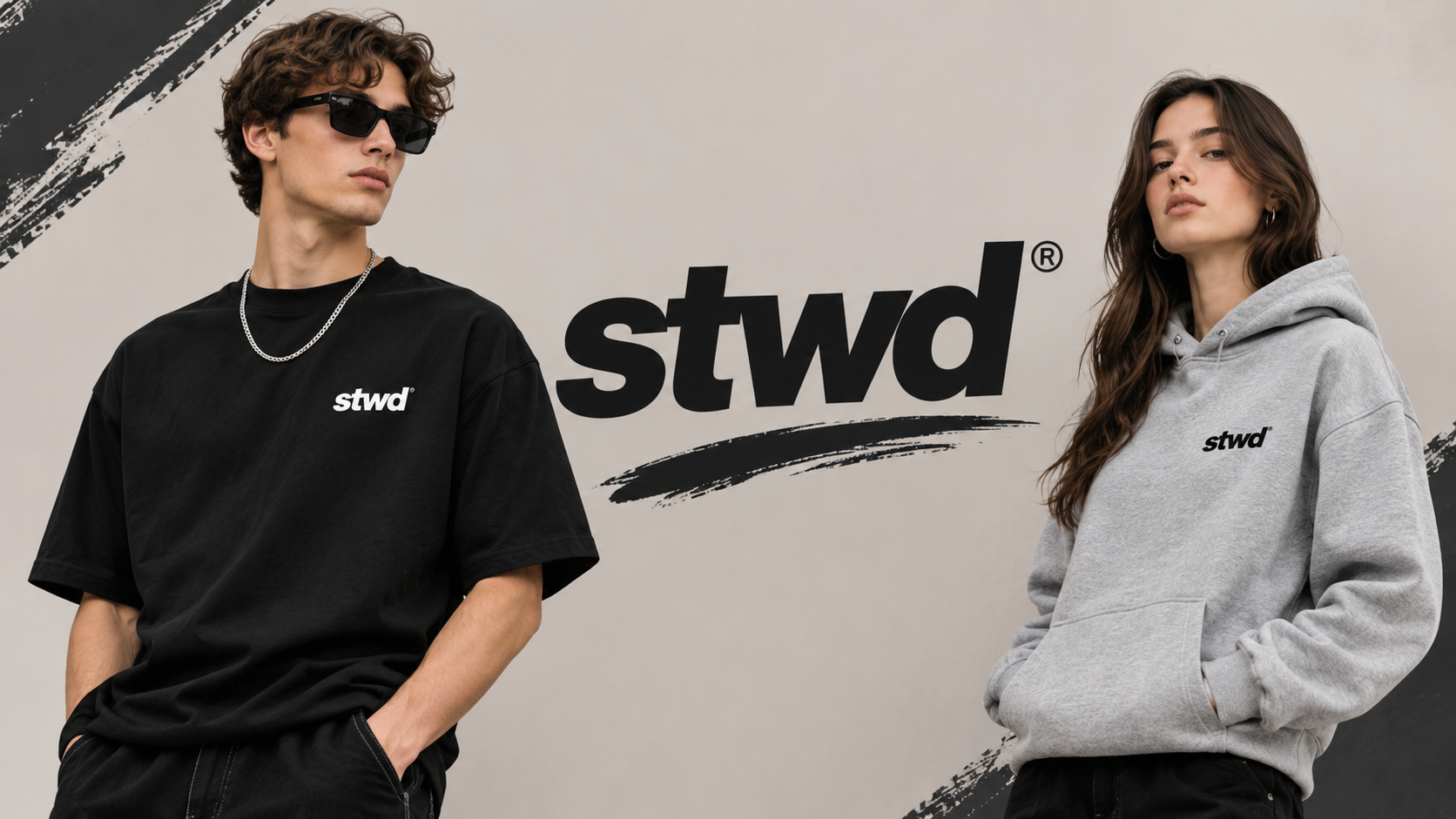
Minimalist wardrobe pieces aren’t about owning as little as possible for the sake of it. They’re about choosing clothes that do real work, especially when you’re packing for a trip or dressing for heat. A smaller closet means less time deciding and more time wearing things you actually like. For warm climates, that usually means breathable fabrics, a handful of neutral colors, and pieces that can be dressed up or down depending on the day. You should think about repeats before you think about variety: three shirts you reach for constantly beat ten that sit on hangers. The goal isn’t a number stamped on a magazine cover, it’s a set of clothes that fits your actual week. If you’re starting from scratch, look at a brand like stwd for simple, versatile basics that hold up to sun, sweat, and travel days without needing constant replacing. Once you have a core group of pieces that layer easily, adding a few seasonal extras becomes simple instead of overwhelming.
There’s also a practical money side to this. Buying fewer, better pieces usually costs less over a year than buying cheap items that wear out or go out of style after a season. A linen shirt that survives repeated washing and sun exposure is worth more than three thin cotton ones that pill within weeks. When you shop with a smaller wardrobe in mind, you also tend to slow down and actually try things on, check the fabric content, and think about whether a piece pairs with what you already own. That single habit, more than any specific number of items, is what makes a minimalist wardrobe work long term.
A Realistic Count for Tops, Bottoms, and Layers
Most people land somewhere between 25 and 35 total pieces for a warm-weather minimalist wardrobe, including underwear and sleepwear. That might sound like a lot or very little depending on your current closet, but the breakdown matters more than the total. Aim for six to eight tops in colors that mix freely, three or four bottoms (shorts, a skirt, lightweight pants), and two or three dresses if you wear them. Add one light layer for air conditioning or cooler evenings, a swimsuit, and a pair of sandals plus one sturdier shoe. That’s roughly twenty pieces doing almost all the work. The rest of your count goes to basics: underwear, a couple of sleep sets, maybe a cover-up. Keep colors in a tight family, like navy, white, olive, and one accent, so nearly everything pairs with everything else. This is where a lot of people overbuy, thinking they need a new outfit for every occasion. In practice, a few well-chosen pieces worn in different combinations look more put together than a closet stuffed with items that never quite match.
It helps to think in terms of outfits rather than individual garments. If every top works with every bottom, six tops and four bottoms already give you twenty-four distinct outfits before you even factor in a dress or a layer. That’s more than enough for two weeks of daily wear without repeating a combination. When you’re deciding what to keep or buy, ask whether a piece can pair with at least three other things in your closet. If it can’t, it’s probably not earning its spot, no matter how much you like the color or the print. This simple test cuts down on impulse purchases and keeps your wardrobe working as a system instead of a pile of separate choices.
Packing a Minimalist Wardrobe for a Trip
Travel is where minimalist wardrobe pieces really prove their value. A week-long warm climate trip rarely needs more than seven tops, three bottoms, one dress, a swimsuit, and one pair of shoes beyond what you’re wearing on the plane. Choose fabrics that dry fast and don’t wrinkle badly, since you’ll likely wash something in a sink at some point. Roll instead of fold to save space, and pack one item you wouldn’t mind losing, since things do go missing on trips. Many shoppers build this kind of travel capsule around a few reliable brands; the stwd brand is one option worth a look if you want pieces that pack small and still look intentional once you unpack them. Resist the urge to add extra outfits