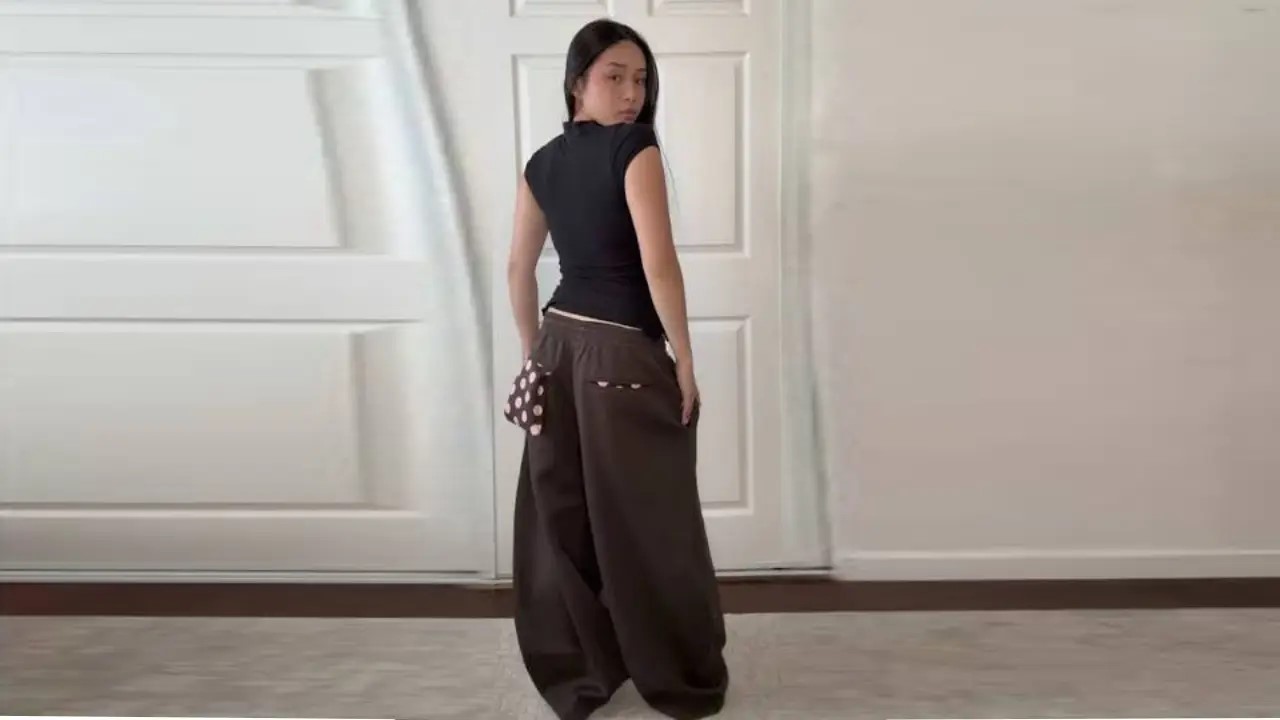

Autumn and Winter Styling Tips for Travel


Why Winter Travel Outfits Need a Different Plan
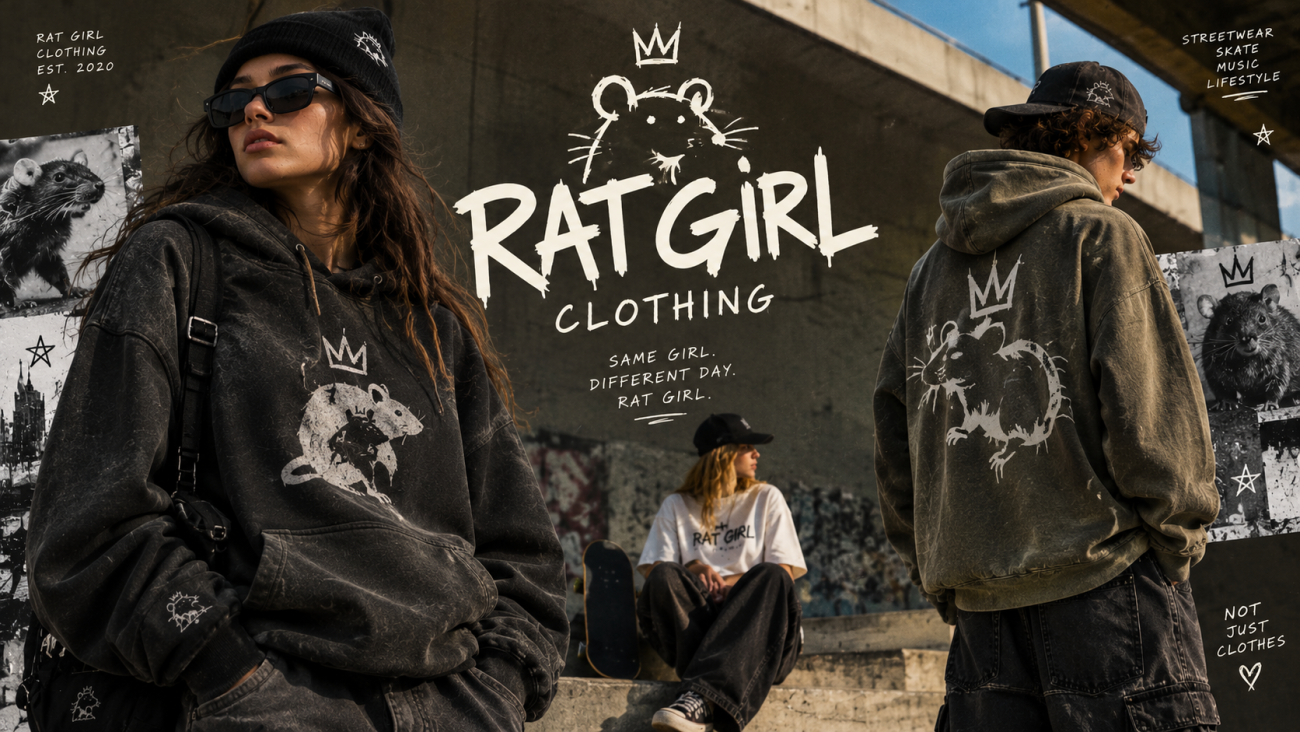
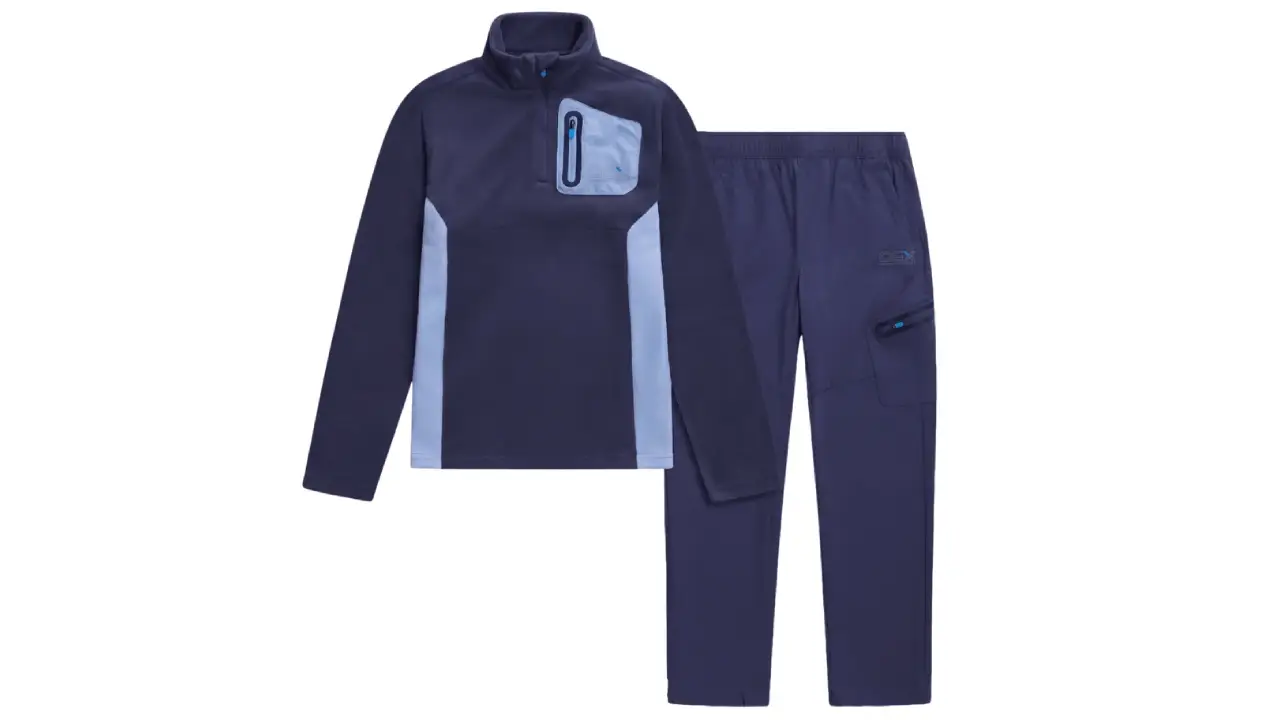
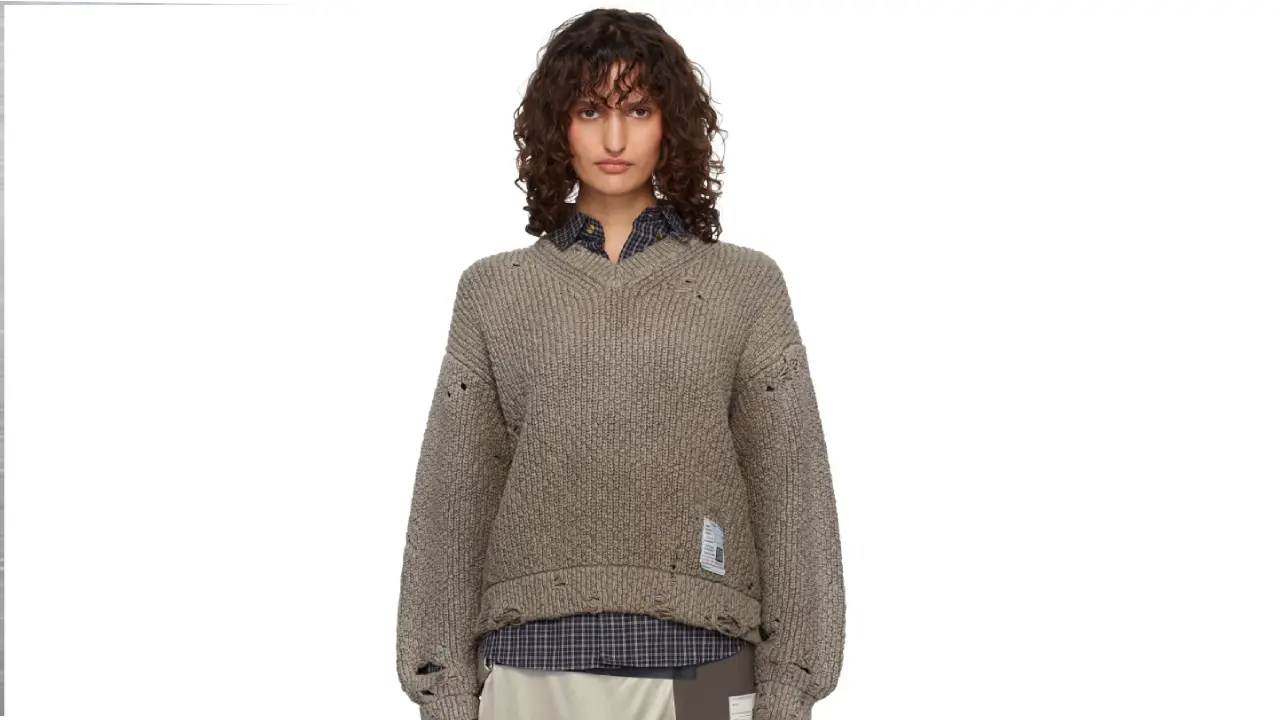
Winter travel outfits are trickier than summer ones because you’re dressing for contrast: a freezing airport, an overheated cabin, and maybe a destination that’s mild or even warm. The trick is building around layers that can be added or stripped without ruining your look. Start with a base layer that’s thin enough to disappear under other clothes but warm enough to matter on its own, like a fine merino or cotton-blend top. Over that, a mid layer such as a lightweight knit gives you the bulk of your warmth without the bulk of a coat. For many travellers, a brand like episodes clothing offers a straightforward starting point for building that kind of wardrobe, since it carries pieces designed to be worn in more than one climate.
Key takeaways
- Build winter travel outfits around thin, stackable layers rather than one heavy coat so you can adjust to sudden temperature changes.
- Pack a tight capsule of neutral, dark pieces that mix and match, and keep one full outfit in your carry-on.
- Small styling details like fit, rolled sleeves, and a pop of warm color make layered travel outfits look intentional, not bulky.
Footwear deserves the same layered thinking. Pack one pair of boots that can handle wet pavement and a second lighter pair that folds flat for warmer stops. Your outer layer, whether it’s a coat or a heavier jacket, should be the piece you’re willing to carry over your arm once you land somewhere warmer, so choose something that looks fine tied around a bag.
For many travellers, a brand like episodes clothing offers a straightforward starting point for building that kind of wardrobe, since it carries pieces designed to be worn in more than one climate.
Packing Smart for Shifting Temperatures
A good winter travel outfit lives or dies by how well it packs, not just how it looks on day one. Roll knitwear instead of folding it to save space and reduce creasing, and keep one complete outfit in your carry-on in case checked luggage goes missing. Dark, neutral colors hide travel wrinkles and stains better than pale ones, which matters when you’re wearing the same jacket for three flights in a row.
Shoppers looking for versatile basics sometimes check episodes for simple layering pieces that work across these shifts, since a plain long-sleeve top under a jacket does more work than a single heavy sweater.
Think in terms of a capsule: one coat, two mid layers, three base layers, and shoes that go with all of them. This keeps your suitcase light while still giving you enough combinations to avoid looking the same in every photo. Scarves and beanies are worth their weight here, since they add warmth and a style shift without taking up much room. If you’re flying through several climates in one trip, pack a compressible down vest; it takes almost no space and solves the sudden cold snap problem better than a bulky sweater does.
Dressing for the Airport, the Layover, and the Destination
Airports are kept cold for the equipment, not the passengers, so dress warmer than you think you’ll need for security lines and gate waits. A structured cardigan or a quilted overshirt works well here because it layers over a plain top and still looks put together for a layover coffee. Save your heaviest coat for arrival rather than wearing it through the terminal, since you’ll likely overheat before you even board.
Once you land, assess the actual weather rather than the season on the calendar. A coastal winter city can run ten degrees warmer than an inland one, so don’t assume your heaviest gear is the right call everywhere. Shoppers looking for versatile basics sometimes check episodes for simple layering pieces that work across these shifts, since a plain long-sleeve top under a jacket does more work than a single heavy sweater. Keep accessories minimal in transit: gloves and a hat you can stuff in a bag, not ones that need their own pouch.
Styling Tricks That Make Layers Look Intentional
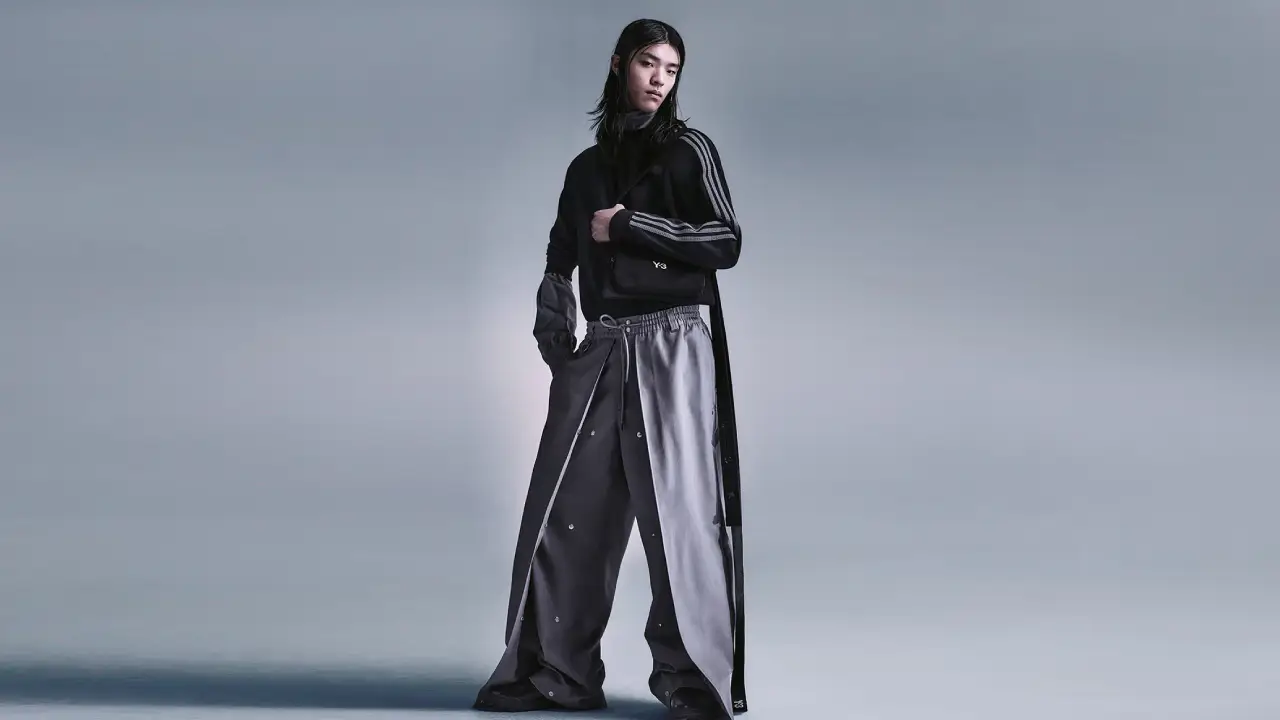
The difference between looking bundled up and looking styled is usually fit, not fabric. Choose a base layer that’s slightly fitted so it doesn’t bunch under a sweater, and let your outer layer be the roomier piece. Tucking in just the front of a shirt, rolling sleeves over a cuff, or leaving one button open on a coat are small moves that make a travel outfit look chosen rather than thrown on at 5 a.m.
Color still matters even in winter. One or two warm tones, like rust or deep green, break up a wardrobe of black and grey without adding extra pieces to pack. Texture does similar work: a ribbed knit next to a smooth coat reads as styled even when both are neutral colors. Keep jewelry simple since scarves and layers already add visual interest, and save statement pieces for places where you’ll actually take your coat off. The goal isn’t a new outfit every day, it’s a small set of pieces that combine well enough that nobody notices you’re wearing the same jacket twice.
Frequently asked questions
What should I wear on a long flight in winter?
Dress in layers you can remove once seated: a fitted base layer, a soft mid layer, and a jacket you can take off and use as a blanket. Avoid tight waistbands and heavy boots, since both get uncomfortable over several hours.
How many layers do I need for winter travel?
Three layers usually cover most trips: a base layer for warmth against the skin, a mid layer like a knit for insulation, and an outer layer for wind and cold. You can add or remove pieces as the temperature shifts through your trip.
How do I pack light for a winter trip without freezing?
Pick a small set of pieces that layer well together instead of packing multiple bulky sweaters. Rolling knitwear, choosing a compressible outer layer, and sticking to neutral colors all help you pack less while staying warm.