
How to Tell a Quality Tracksuit Apart


Why a Quality Tracksuit Is Worth Spotting
A quality tracksuit holds its shape wash after wash, moves with you instead of against you, and still looks sharp after a full season of travel or lounging. Cheap versions bag out at the knees, pill within weeks, and lose their color fast. The tricky part is that on a hanger, a poorly made set can look nearly identical to a well made one. You need to know what to touch, pull and inspect before you commit. Start by looking at the shop’s full range rather than one piece in isolation, since a brand that sells consistent quality across categories usually applies the same standards to everything, something you can see by browsing a site like alpyrex, which carries both tracksuits and other warm-weather pieces. Judging quality isn’t about price alone. A set can be mid-priced and still be built to last if the fabric and seams are right. The goal is training your eye so you stop guessing and start checking specific, physical details every time you shop, whether online or in person.
Key takeaways
- Feel the fabric weight and check that stretched material springs back to shape.
- Inspect seams, zippers and hems for tight, even stitching with no loose threads.
- Check fit symmetry and color consistency between the jacket and pants before buying.
Fabric and Stitching Give the Clearest Clues
Pick up the jacket and pants and feel the weight. Quality tracksuit fabric has some substance to it, even in lightweight summer blends; thin, papery material usually means it will pill or go sheer within a month. Stretch the fabric gently. It should spring back to its original shape rather than staying loose and stretched out. Check the inside too. A soft, even interior lining feels different from a rough, uneven one, and that difference tells you how comfortable the piece will stay over time.
Stitching is the next giveaway. Turn a seam inside out and look for straight, tight rows with no loose threads or skipped stitches. Flatlock or overlock seams on the inner thigh and underarm reduce chafing and rarely fray. Cheap sets often use a single straight stitch in high-stress areas, which pulls apart quickly. Zippers and drawstrings matter too: a smooth-pulling zipper and a drawstring with finished, non-fraying ends are small signs of real attention to construction.
Fit and Cut Reveal Real Construction Quality
Hold the pants up and check that both legs are symmetrical, with hems level and seams running straight rather than twisting around the leg. A warped seam almost always means the fabric was cut off-grain, which leads to a garment that twists when worn and washes unevenly. The waistband should sit flat without rolling, and the elastic should feel firm but not stiff.
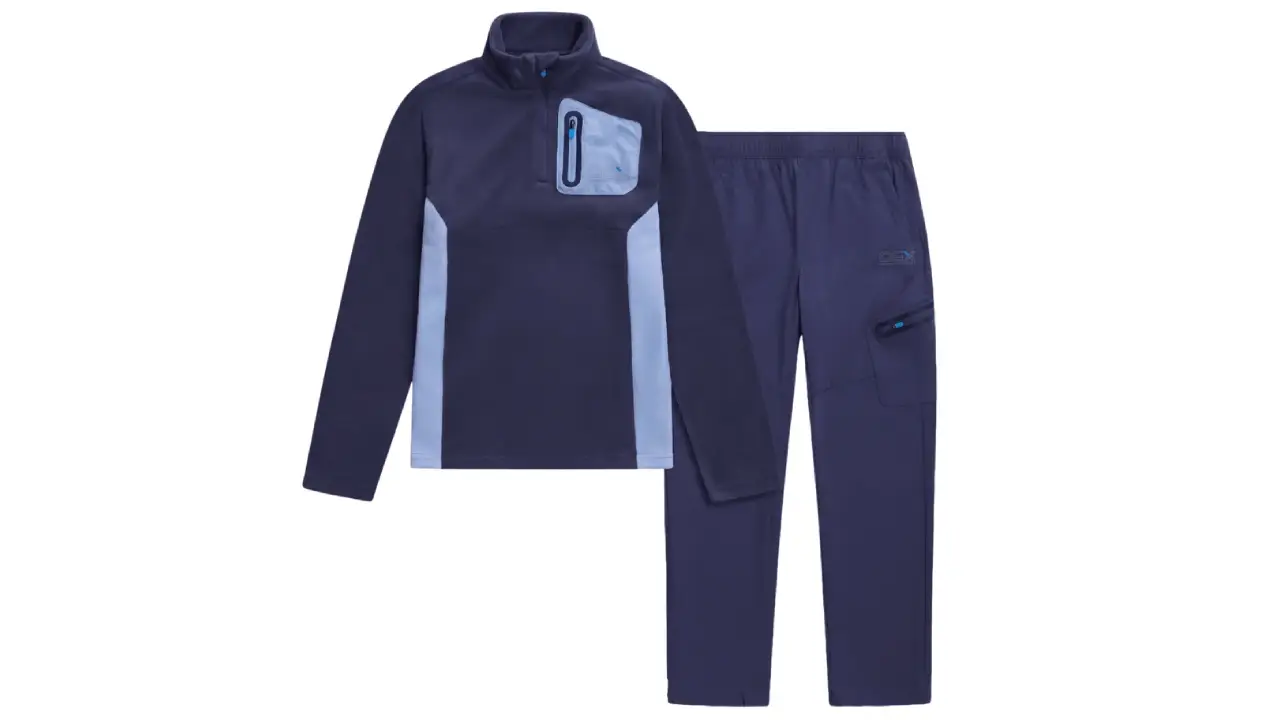
Try the jacket on if you can. Shoulders should sit at the natural shoulder line, not sliding forward or leaving gaps. Sleeves should allow a full arm raise without the whole jacket riding up, a sign of generous, well-planned paneling. Brands that design separates meant to be worn together, including an alpyrex tracksuit, tend to cut the top and bottom from matching fabric batches, so color and texture stay consistent between pieces rather than looking slightly mismatched once you get them home.
Finishing Touches and Longevity Signs
Small details separate a tracksuit built for years from one built for a season. Check the cuffs and ankle hems for double stitching, which resists unraveling far longer than a single pass. Pockets should be reinforced at the corners, since that’s where bags, keys and hands put the most strain. Press on any printed logo or design; a flexible, bonded finish will crack less than a thick, stiff print sitting on top of the fabric.
Color consistency across the whole set also matters. Hold the jacket and pants together in daylight; mismatched dye lots are common in lower-quality batches and tend to become obvious after a few washes. Think about how the piece fits into the rest of your wardrobe too, since a tracksuit that layers well under a heavier piece like an alpyrex coat on cooler travel days gives you more use out of one purchase. A tracksuit that passes these checks will usually outlast several cheaper replacements, which makes the slightly higher upfront cost worth it.
Frequently asked questions
What fabric weight should a good tracksuit have?
It should feel substantial in your hands, even in lightweight summer blends. Thin, papery fabric tends to pill and go sheer quickly, while a slightly heavier hand usually holds shape and color much longer.
How can I tell if tracksuit stitching is well made?
Turn a seam inside out and look for straight, tight rows with no loose threads or skipped stitches. Flatlock or overlock seams at the underarm and inner thigh are a strong sign of durable construction.
Does a higher price always mean a better tracksuit?
Not always. Price can reflect branding as much as quality, so check the fabric weight, seam finishing and fit yourself rather than relying on cost alone.