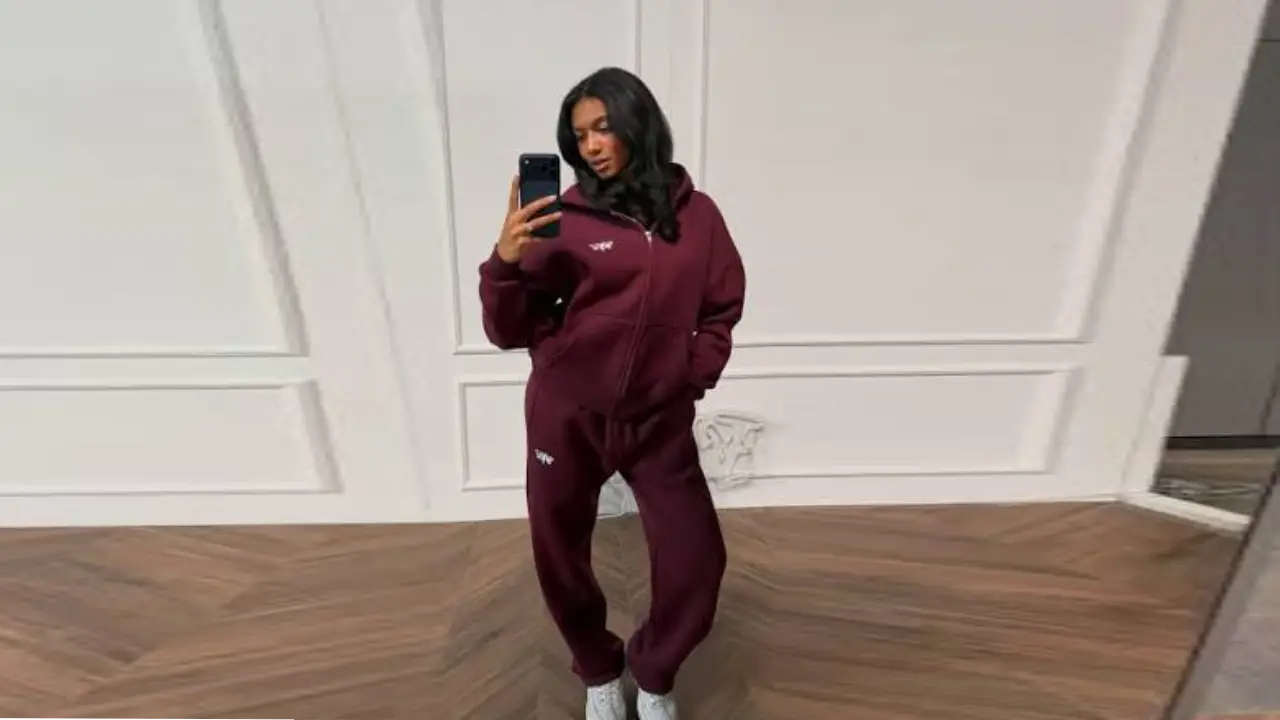

Tracksuit Fit Tips for Every Body Type

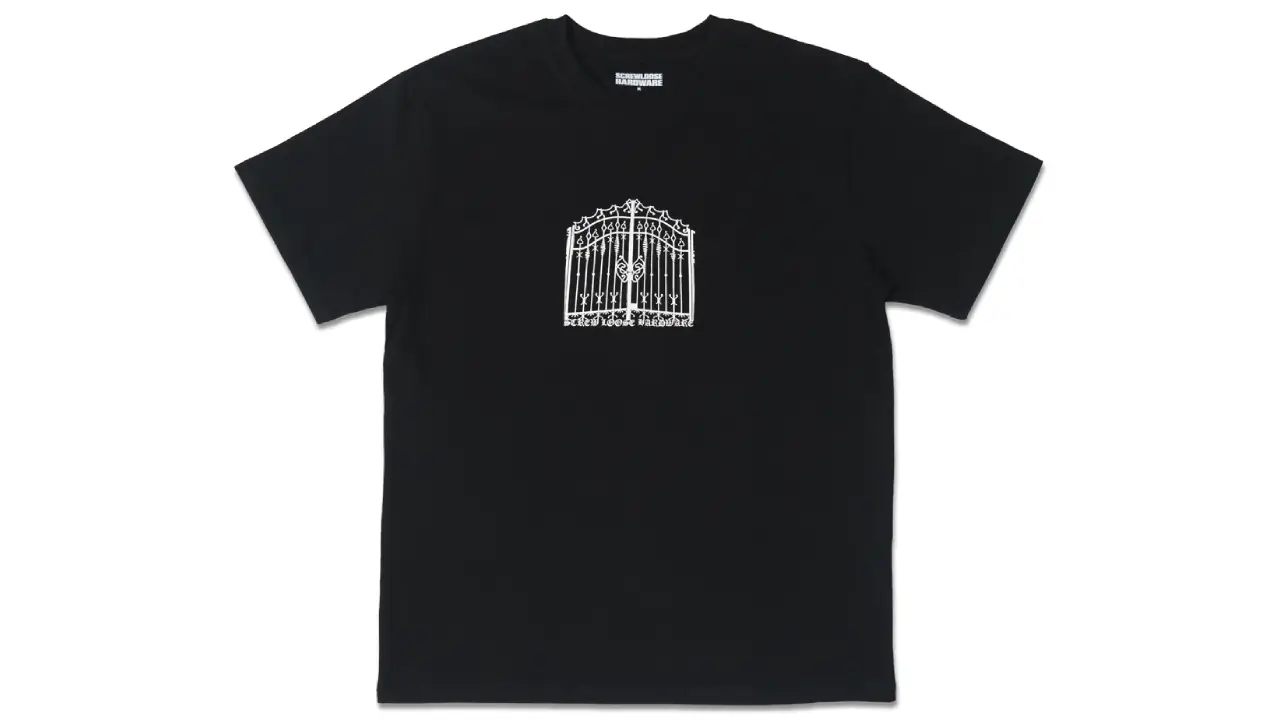
Why Tracksuit Fit Matters More Than You Think
Tracksuit fit is the difference between looking pulled together and looking like you grabbed whatever was on the floor. A tracksuit is only two pieces, so every seam, hem and cuff is doing a lot of visual work. Get the proportions wrong and the whole outfit reads sloppy, no matter how good the fabric feels. Get them right and a tracksuit can look as sharp as tailored separates.
Key takeaways
- Jacket shoulder, sleeve length and chest ease matter more than overall size when fitting broader frames.
- Shortening the jacket and raising the pant rise helps shorter or petite builds look proportionate.
- Tapered legs and mid-weight fabric give curvier builds shape without clinging or bulk.
Most people buy tracksuits the same way they buy sweatpants: size up, go baggy, done. That works for lounging but not for anywhere you actually want to look good. The fix starts with knowing your own proportions rather than chasing a trend. A tall, lean frame needs different tapering than a broader, shorter one, and a curvier lower half needs a different jacket length than a straight torso. Brands like screwloose cut tracksuits with enough range in sizing that this kind of adjustment is possible without custom tailoring.
Before buying, try on a tracksuit standing, sitting and walking. Fit that looks fine standing still often bunches or gapes the moment you move, and a tracksuit lives or dies on how it behaves in motion.
Fitting a Tracksuit for Broader Shoulders and a Fuller Chest
If you carry width through the shoulders and chest, the jacket is where most tracksuit mistakes happen. A jacket that is tight across the back will pull at the zipper and strain the shoulder seams, which ages the whole garment fast. Look for a slightly dropped shoulder seam and enough ease across the upper back that your arms can cross in front of you without the fabric tugging.
Sleeve length matters just as much as chest room. If the body of the jacket fits but the sleeves are short, the whole thing looks like it shrank in the wash. Many tracksuit ranges offer a regular and a longer cut, so checking the sleeve measurement before you buy saves a return.
For the pants, a straight or slightly tapered leg balances a fuller upper body better than a skinny cut, which can make broader shoulders look even wider by contrast. A medium-weight fabric holds its shape through the day better than something thin and clingy, and it drapes more evenly over a fuller chest without pulling at the buttons or zip.
Fitting a Tracksuit for Shorter or Petite Frames
On a shorter frame, oversized tracksuits swallow proportion fast. The trick is not to size down everywhere, but to shorten strategically. A cropped or regular-length jacket paired with pants that hit right at the ankle bone creates a visual break that makes legs look longer. Pants that pool at the floor do the opposite and shorten the whole silhouette.
Raglan sleeves tend to work better than set-in sleeves on a petite build because they remove a hard shoulder seam that can look oversized on a smaller frame. A high-set waistband on the pants also helps, since it shifts the visual waistline up without needing any alteration.
Color blocking in a single tone, rather than a jacket and pants in contrasting shades, keeps the eye moving in one unbroken line, which reads taller. A matching two-piece in a single dark shade does this automatically. If you want a reference point for proportion done well, a screwloose tracksuit in a slim, tapered cut shows how a shorter leg length and higher rise can be built into the design rather than fixed after the fact with a tailor.
Fitting a Tracksuit for Curvier or Fuller Builds
A curvier build needs room through the hip and thigh without the whole tracksuit ballooning into a single shapeless block. The pants are the key piece here. A tapered leg that narrows gradually from hip to ankle gives definition without squeezing, while a straight-leg cut in a slightly heavier fabric holds its line instead of clinging.
Jacket length should sit at or just below the hip, not mid-thigh. A longer jacket on a curvier frame tends to add bulk rather than hide anything, while a hip-length cut with a drawstring or elastic hem gives shape where it is needed. Fitted cuffs on both the jacket and the pants matter too, since loose cuffs on a fuller frame can make the whole limb look wider than it is.
Fabric weight changes everything on this body type. Thin, clingy knits show every seam and ride up with movement, while a mid-weight cotton blend moves with the body and skims rather than clings. If the fit still feels off after trying several brands, it is worth remembering that a well cut tracksuit from a shop like screw loose can solve more proportion problems than a dozen styling tricks, simply because the cut was designed with these shapes in mind from the start.
Frequently asked questions
Should a tracksuit fit loose or fitted?
It depends on your build, but most people look better in a tracksuit with some shape rather than complete bagginess. A slight taper at the ankle and a jacket that follows the shoulder line usually looks more intentional than an oversized fit.
How do I know if a tracksuit jacket is too tight?
If the zipper pulls, the fabric strains across the back when you move your arms, or the sleeves ride up when you reach forward, the jacket is too tight. Try sitting and crossing your arms in the fitting room before deciding.
What fabric is best for a flattering tracksuit fit?
A mid-weight cotton or cotton blend holds its shape and drapes evenly on most body types, while very thin knits tend to cling and show every seam. Heavier fabric also resists pilling and keeps its structure after repeated washes.