
Finding the Right Fit for Your Build: A Warm-Weather Packing Guide

Why Fit for Your Build Matters More Than Size Labels
Finding the right fit for your build starts with ignoring the number on the tag and paying attention to how a garment moves with your body. Warm-weather clothes get worn close to the skin more often than winter layers, so a shirt that bunches at the shoulders or shorts that ride up will bother you all day, every day, on a trip. Builds vary in ways a single size chart can never capture: shoulder width, torso length, hip curve, and how much ease you want through the chest. A tall, narrow frame needs different proportions than a broader, shorter one, even if both wear the same size letter. Before you buy anything for a holiday wardrobe, take a few honest measurements and compare them to the brand’s actual size chart rather than guessing from past purchases. Brands like breathedivinity list garment measurements, not just size labels, which makes it far easier to judge fit before the item arrives. Once you know your real numbers, shopping gets faster and returns drop sharply. Think of fit as the first decision you make, before color, before print, before price. Everything else is easier to adjust after that.
Key takeaways
- Check actual garment measurements, not just size labels, to find the right fit for your build.
- Fabric structure and cut should match your body shape, especially through the shoulders and waist.
- A well-fitted layering piece like a hoodie packs smaller and works better across warm-weather trips.
Matching Fabric and Cut to Your Body Shape
Lightweight cotton, linen, and breathable blends behave differently depending on build. A fuller frame often looks and feels better in fabric with a bit of structure, something that holds its shape instead of clinging, while a leaner frame can wear softer, more fluid weaves without looking lost in them. Pay attention to how a fabric drapes when you move, not just how it looks still on a hanger. For broader shoulders, a slightly dropped shoulder seam can soften the line without adding bulk. For a shorter torso, a higher rise on shorts or trousers avoids that bunched, overlapping look at the waist. If you carry more weight through the midsection, vertical seams or a slightly tapered hem do more visual work than a baggy, shapeless cut ever will. Sites such as breathe divinity describe fabric weight and stretch alongside the cut, which helps when you cannot try something on in person. Read those details before adding to cart, especially for warm-weather pieces that will see heavy wear on a trip. A good fabric and cut match reduces the need for constant adjusting, which matters a lot when you are on vacation and want to stop thinking about your clothes.
Layering Pieces: Where Fit Really Shows
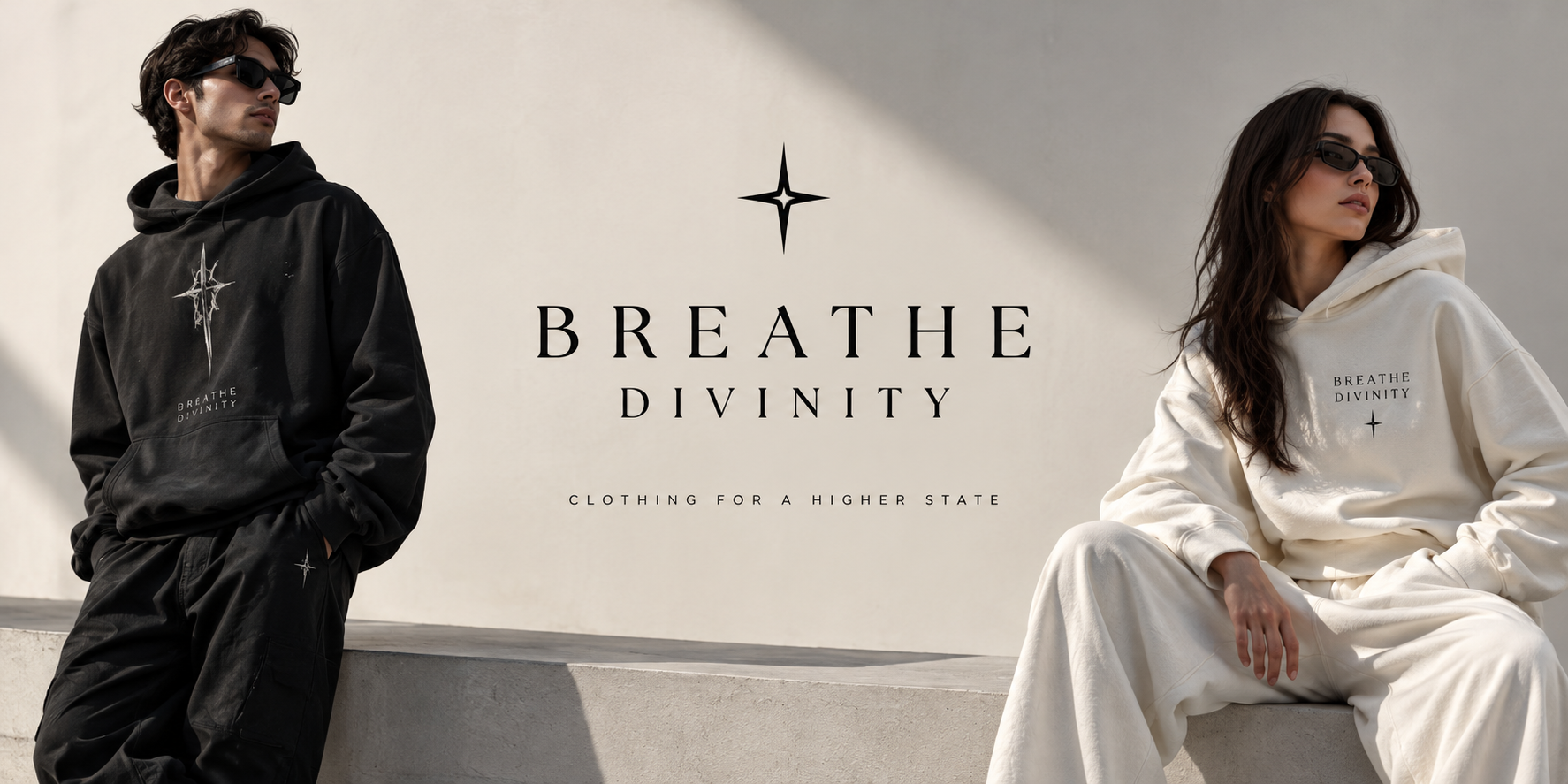
Even on a beach trip, you need one or two layering pieces for cooler evenings, flights, or air-conditioned restaurants. A hoodie is the obvious choice, but fit here matters as much as it does for your swimwear or shorts. A hoodie cut too large hangs off the shoulders and traps extra fabric at the wrist, while one cut too tight across the chest restricts movement and looks stiff in photos. Look for a hoodie with a slightly relaxed body but a fitted shoulder seam, since that combination works for most builds without feeling boxy or tight. The breathedivinity hoodie is one example worth checking against your own measurements, particularly if you want something that layers easily over a t-shirt without adding visible bulk. A well-fitted hoodie also packs down smaller than an oversized one, which matters when your suitcase is already full of swim gear and sandals. Treat your layering piece the same way you treat your base layers: check sleeve length, shoulder width, and overall length before deciding, rather than assuming one size works for every brand.
Packing Strategy Built Around Fit
Once you have pieces that actually fit your build, packing gets simpler because you are not bringing backups for items that might not work. Lay everything out before you pack and check that tops, bottoms, and your layering piece all sit correctly on your body, not just look fine on a hanger. Fold structured pieces flatter and roll softer, stretchier items to save space without creasing them badly. A well-fitted wardrobe for warm weather usually needs fewer pieces overall, since each item does its job without needing a second option as backup. Keep a short mental checklist: shoulders sit flat, waist sits where it should, hems hit at the right length, and nothing pulls when you reach or bend. For a wider range of warm-weather basics to check against that checklist, breathdivinity is worth a look before you finalize your packing list. Builds change slightly over time too, so it is worth re-checking fit on a few key pieces each season rather than assuming last year’s favorites still sit the same way. Fit for your build is not a one-time decision, it is a habit you carry into every warm-weather trip you pack for.
Frequently asked questions
How do I know what fit works best for my build?
Measure your shoulders, chest, waist, and torso length, then compare those numbers to a brand’s actual garment measurements rather than relying on size labels alone. Pay attention to how fabric drapes when you move, not just how it looks on a hanger.
What should I look for in a hoodie for travel?
Look for a relaxed body with a fitted shoulder seam, since that combination suits most builds without feeling boxy. A well-fitted hoodie also packs down smaller, which helps when suitcase space is tight.
Does fit really matter for packing efficiency?
Yes, clothes that fit properly reduce the need for backup items, so you can pack fewer pieces overall. A wardrobe built around correct fit tends to work harder for less luggage space.