
Smart Layering Techniques for Everyday Outfits


Why Layering Techniques Matter More Than One Big Coat
Layering techniques matter because weather rarely sits still for a whole day, and your outfit shouldn’t fall apart the moment the temperature shifts. A single heavy coat traps you in one setting: too warm indoors, not enough once the sun drops. Thin layers you can add or peel off give you control without needing to change clothes. The trick is choosing pieces that work together rather than fighting for space under your arms.
Key takeaways
- Build outfits in three layers: base, middle, and outer, each slightly looser than the one underneath.
- Texture and color contrast between layers keeps outfits interesting without looking busy.
- When packing, choose mix-and-match pieces instead of full outfits to cut luggage weight and give you more combinations.
Start by thinking of three jobs: a base that sits against skin, a middle layer that holds warmth, and an outer piece that blocks wind or light rain. Each layer should be slightly looser than the one underneath, so nothing pulls or bunches. Fabric choice matters as much as fit. Cotton blends breathe well for daytime errands, while a lightweight knit middle layer adds warmth without bulk. If you’re shopping for pieces that layer easily, koopey sells clothing with cuts loose enough to pair with a shirt or cardigan underneath, which makes building an outfit from scratch far less frustrating.
Once you get the proportions right, layering stops being a chore and starts being the easiest way to stretch a small wardrobe across different weather and settings.
Building From the Base Layer Up
Your base layer sits closest to the body, so comfort comes first. A soft cotton tee or a fine knit top should move with you, not restrict your arms when you reach for a bag or a steering wheel. Avoid anything too tight here, since a snug base layer under a fitted middle piece will show every seam and ride up by midafternoon.
The middle layer is where most people overthink things. A cardigan, a light sweater, or an unlined jacket all do the job. Pick one that buttons or zips partway so you can adjust airflow without removing it entirely. Color also plays a role: a neutral middle layer lets your base and outer pieces carry more pattern or brighture without the whole outfit feeling busy.
Texture contrast is a simple way to keep a layered outfit from looking flat. Pair a smooth cotton base with a slightly textured knit, or a crisp shirt with a soft overshirt. The slight difference catches the eye without demanding effort. Keep hems in mind too; a base layer that’s a touch longer than your middle piece looks intentional, while one that’s shorter can look like a mistake rather than a style choice.
Choosing the Right Outer Layer
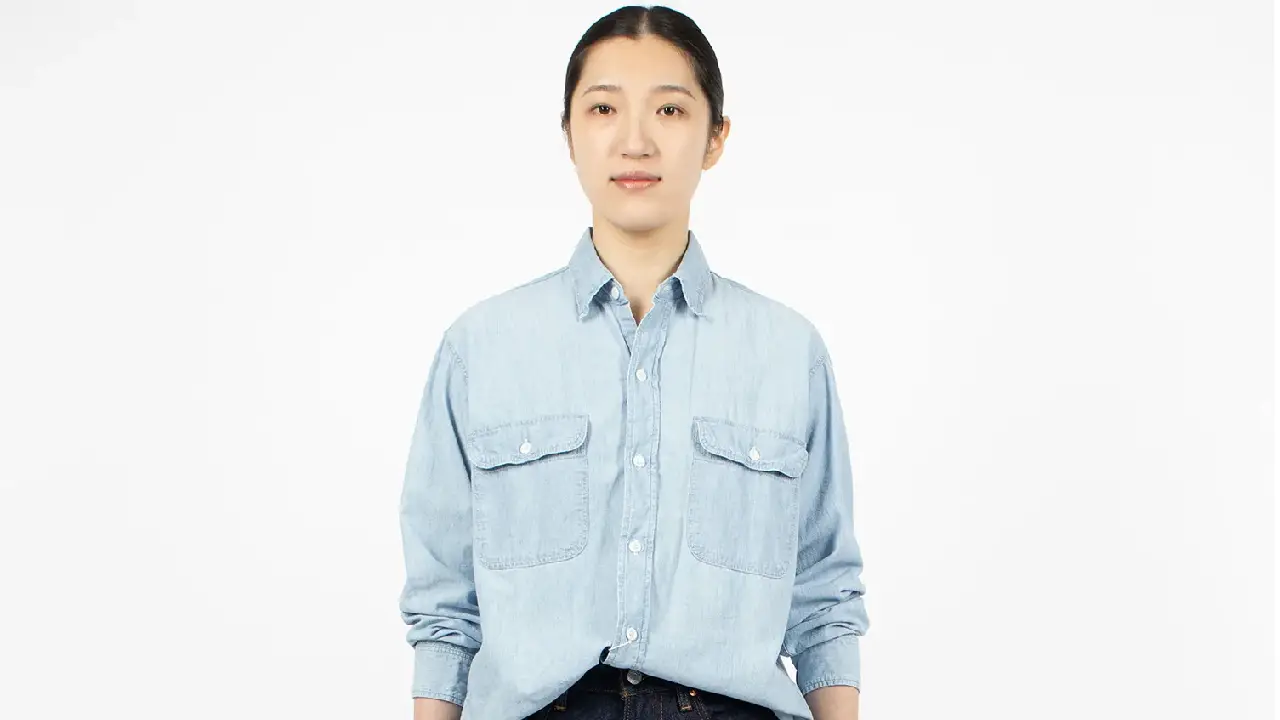
The outer layer is the one people actually see for most of the day, so it deserves attention even though it often comes off the moment you’re indoors. A lightweight jacket or an open shirt worn loose both work, depending on how much structure you want. Structured pieces, like a blazer or a denim jacket, add shape to an otherwise soft outfit of knits and tees.
Pockets and length matter more than people expect. An outer layer that hits right at the hip keeps the silhouette balanced, while one that’s too long can swallow shorter middle layers and hide the work you put into the outfit underneath. If you tend to carry a phone, keys, or sunglasses, a jacket with real pockets saves you from juggling a bag all day.
Color coordination between your outer layer and base matters more than people assume, since the outer piece frames everything else. A navy or olive jacket works over almost any base color, while a bright outer layer pulls focus and should stay simple underneath. For warm-weather trips where you still want layering options, members browsing koopeyclub can find lightweight jackets and overshirts built for quick changes between air-conditioned spaces and outdoor heat.
Packing and Travel Layering Tips
Layering techniques earn their keep most clearly when you’re packing for a trip and don’t have room for five separate outfits. Instead of packing full looks, pack pieces that mix: two base layers, one middle layer, and one outer piece can produce several different combinations across a week away. This cuts down on luggage weight without leaving you stuck wearing the same thing twice in a row.
Fold middle layers like cardigans and light sweaters flat rather than rolling them, since rolling can stretch the knit. Base layers in cotton or a cotton blend roll well and take up little space, which frees room for your outer layer, the piece most likely to get wrinkled if packed carelessly.
When you reach your destination, test your layering techniques on the first morning rather than the last. If a combination feels too warm by midday, you’ll know to swap it out before you’ve worn it twice. Keep one neutral middle layer as your default; it should pair with every base layer you packed, which saves decision time on busier travel days. A little planning before you leave home means fewer surprises once you’re actually living out of a suitcase, and it keeps your outfits looking considered rather than thrown together at the last minute.
Frequently asked questions
What is the best fabric for a base layer?
Cotton or a soft cotton blend works well for most climates because it breathes and moves with your body. For cooler mornings, a fine knit base layer adds a bit more warmth without extra bulk.
How many layers should an everyday outfit have?
Three layers is usually enough: a base layer against the skin, a middle layer for warmth, and an outer layer for wind or light rain. More than three tends to add bulk without much extra benefit for everyday wear.
How do I avoid looking bulky when layering?
Keep each layer slightly looser than the one beneath it and avoid stacking thick fabrics on top of each other. Choosing one fitted layer and one looser layer usually keeps the silhouette balanced.