

Cold-Weather Styling Tips for Everyday Wear

Cold-Weather Styling Tips That Actually Work
Cold-weather styling tips are easy to find and hard to follow once the temperature actually drops and you’re standing in front of your closet at seven in the morning. The trick isn’t buying more clothes. It’s buying the right few pieces and learning to layer them so you stay warm without looking like you’re wearing a sleeping bag. Start with your base layer. A snug, breathable top made from a natural fiber like merino or cotton does more for warmth than a thick sweater alone, because it traps heat close to your skin instead of letting it escape. From there, every layer you add should be slightly looser than the one underneath, so air can move and insulate rather than compress.
Key takeaways
- Layer thin pieces instead of one bulky item for better warmth and movement
- Choose durable natural fabrics like wool and heavy cotton for cold-weather basics
- Keep colors muted and textures mixed to make simple layering look intentional
Fabric choice matters more in cold months than any other season. Wool, flannel, and heavier cotton twill hold heat and resist wind better than synthetic blends, and they tend to age better too, which matters if you’re building pieces you’ll wear for years. Brands that focus on durable, honestly made workwear, such as orslow, built their reputation on clothing that holds up to repeated wear, which is exactly what you want from cold-weather basics.
Layering Without Looking Bulky
The biggest mistake in cold-weather dressing is treating layers like armor instead of a system. Three thin layers almost always beat one thick one, both for warmth and for how the outfit actually sits on your body. Start with a fitted base, add a mid-layer like a flannel shirt or lightweight sweater, and finish with an outer layer that has enough room to move but not so much that it swallows you. Pay attention to proportions: if your coat is boxy, keep what’s underneath slim, and if your sweater has volume, choose a trimmer outer layer.
Necklines and hems do a lot of quiet work here. A crew neck under a button-down keeps things clean, while a half-zip or turtleneck adds warmth without extra bulk around the collar. Tucking your base layer in, even loosely, keeps cold air from sneaking up and keeps the whole silhouette from looking shapeless. Cuffs matter too. Rolling a flannel sleeve over a knit layer looks intentional instead of accidental, and it’s a small detail that makes an outfit read as styled rather than just bundled up.
Choosing Pieces That Work for Everyday Life
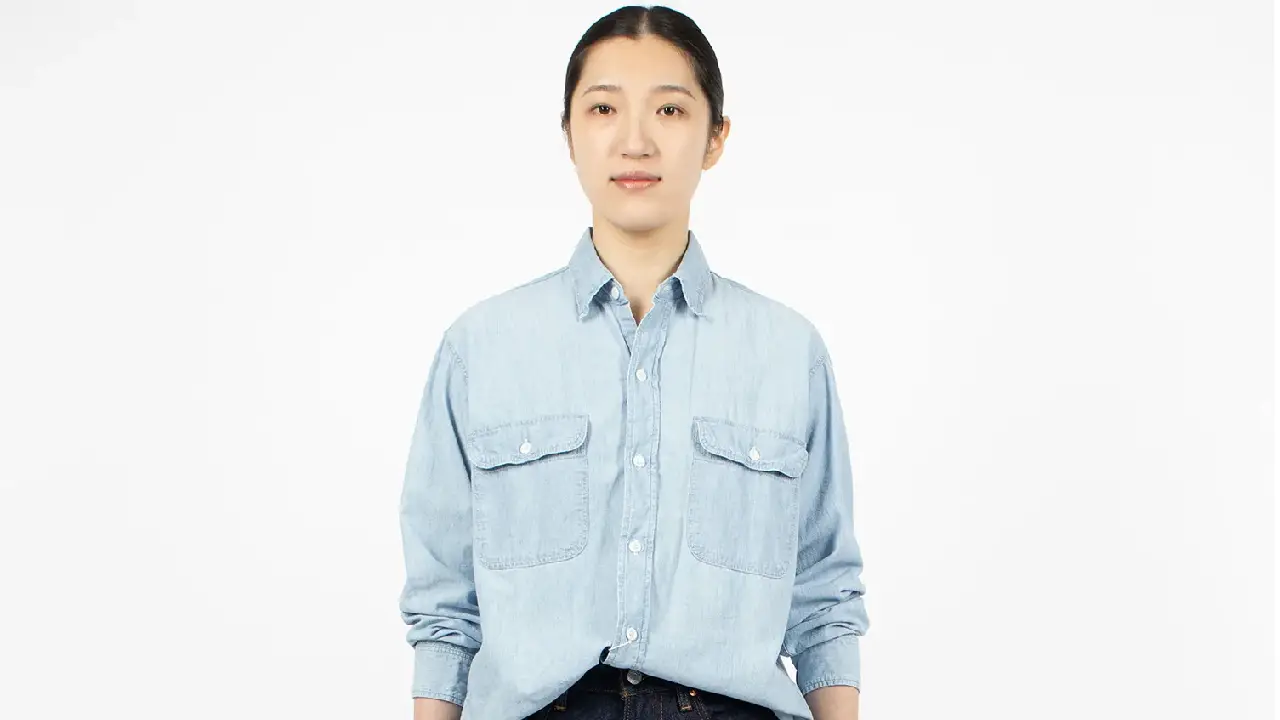
Everyday cold-weather dressing has different needs than a weekend trip or a special occasion outfit. You need pieces that survive a commute, a spilled coffee, and sitting at a desk for eight hours without wrinkling into a mess. This is where simple, well-made basics earn their keep. A durable pair of trousers, a flannel or chambray shirt, and a dependable jacket will carry you through more days than a closet full of trend pieces ever will. Denim with some weight to it, or a heavier twill pant, also blocks wind better than lighter fabrics and tends to hold its shape through repeated wear and washing.
Footwear deserves the same thought. Leather boots with a bit of insulation handle cold sidewalks far better than canvas sneakers, and they pair naturally with rolled denim or wool trousers. If you’re shopping for a jacket that can anchor an entire winter wardrobe, a brand like or slow is worth a look for its focus on sturdy, classic clothing designed to be worn hard and often. One good jacket, chosen carefully, will outlast several cheaper ones and save you from re-shopping every winter.
Color, Texture, and Finishing Touches
Cold-weather styling tips often skip texture, but it’s one of the easiest ways to make an outfit feel considered. Mixing a smooth cotton shirt with a nubby wool sweater, or a slick leather boot with a brushed flannel, adds depth to an outfit even when the color palette stays simple. Speaking of color, winter is a good season to lean into muted tones: olive, charcoal, rust, and deep navy all read as intentional and pair easily with each other, which means less decision fatigue on busy mornings.
Accessories finish the job. A scarf in a contrasting texture, a knit beanie, or a simple leather belt can pull a layered outfit together without adding bulk. Keep jewelry minimal under heavy knits, since anything delicate tends to disappear under layers anyway. The goal with everyday cold-weather dressing isn’t to reinvent your style every season. It’s to build a small, flexible set of pieces that layer well, hold up to daily wear, and still feel like you when you put them on.
Frequently asked questions
What are the best fabrics for cold-weather everyday wear?
Wool, flannel, and heavier cotton twill are the most reliable choices because they hold heat and resist wind. Synthetic blends can work for outer shells but rarely perform as well as natural fibers against the skin.
How many layers should I wear in cold weather?
Three light layers usually beat one thick layer, since they trap air between them for insulation while staying easier to move in. A base layer, a mid layer, and an outer layer is a reliable everyday formula.
How do I layer without looking bulky?
Keep each layer slightly looser than the one beneath it and pay attention to proportions, pairing a boxy coat with slimmer pieces underneath. Small details like rolled cuffs and tucked base layers also keep the silhouette clean.