
Budget-Friendly Clothing That Still Looks Great for Your Next Trip

Why Budget-Friendly Clothing Gets a Bad Reputation
Budget-friendly clothing has a reputation problem that mostly comes down to bad shopping habits, not bad options. People assume cheap means flimsy, and sometimes that’s true, but plenty of inexpensive pieces are cut well, hold color, and survive a season of beach trips and airport layovers. The trick is knowing where the corners get cut. Fast fashion brands often skimp on seams and linings first, since those details are invisible on a hanger but obvious after two washes. A simple sundress or a linen-blend shirt can look polished for very little money if you check the stitching at the hems and underarms before buying. Hold the fabric up to a window: if light passes through unevenly or the weave looks sparse, that piece will probably pill or tear within a few wears.
Key takeaways
- Check seams, hems, and fabric weight rather than price tags when judging budget-friendly clothing.
- Stick to a small, coordinated color palette so inexpensive pieces mix and match without looking mismatched.
- Natural or natural-blend fabrics like cotton and linen blends travel better and look less cheap than thin synthetics.
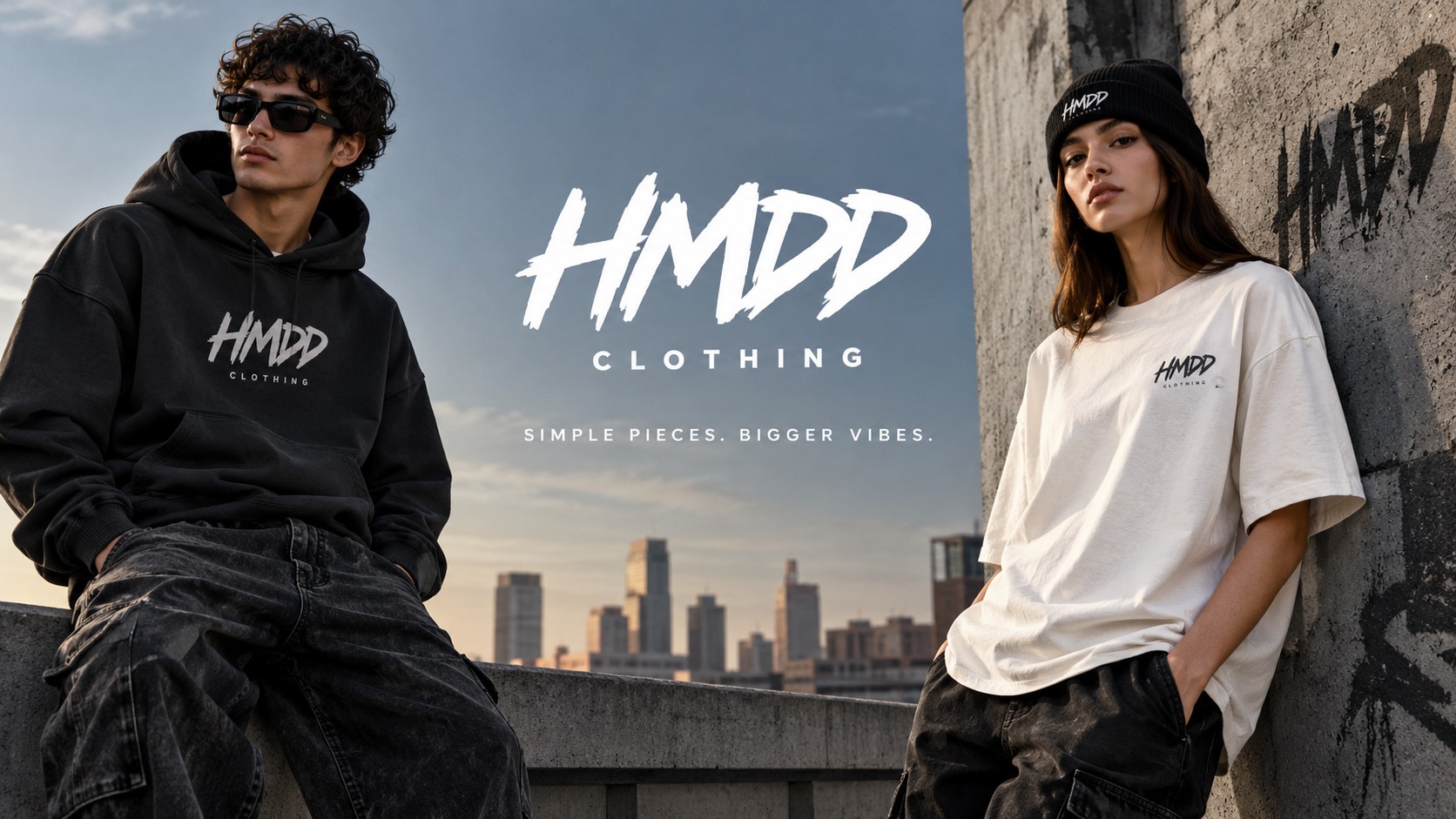
One place that keeps its lineup focused on straightforward, wearable basics is hmdd, which sticks to simple cuts rather than chasing every trend.
Fabrics Worth Seeking Out on a Budget
Not every cheap fabric behaves the same way in heat and humidity, so it pays to know which ones to look for on the tag. Cotton and cotton blends breathe well and soften with each wash, which is useful if you’re packing light and rewearing pieces. Linen blends wrinkle on purpose, so a few creases from a suitcase actually look intentional rather than sloppy. Rayon and viscose drape nicely and photograph well in bright sun, though they can shrink if washed in hot water, so always check the care label before tossing something in with a hotel laundry load. The fabrics to avoid are thin, shiny polyester and anything that clings or shows every seam line. Those materials trap heat, wrinkle in strange directions, and tend to look cheap in photos no matter how the garment is cut. A quick stretch test helps too: pull gently at the fabric and see if it springs back into shape. If it stays stretched out, the fibers are likely low quality and the garment won’t hold its shape after a day of walking or sitting on a plane.
Building a Color Palette That Works
Color does more for the look of budget-friendly clothing than almost any other factor. A faded, muddy print reads as cheap no matter the brand, while a clean solid color or a simple stripe photographs well in bright sun and pairs easily with sandals, a hat, or a cover-up you already own. Pick two or three colors that work together, then build everything around that palette instead of grabbing whatever catches your eye in a sale bin. Neutral bottoms with a couple of colorful tops, or the reverse, stretch a small suitcase into a dozen different outfits without anyone noticing you’re repeating pieces.
For travelers who want that sentiment without the price of a designer label, pieces carrying the phrase happy memories don’t die show up in a few casual lines built for exactly this kind of low-key, well-made basic. Shoppers who want a single destination to compare those basics side by side sometimes start with HMDD Clothing before branching out to other budget racks.
Packing Budget-Friendly Clothing Without Wrinkles
Even well-made inexpensive clothing can look rumpled if it’s packed carelessly. Rolling rather than folding keeps creases shallow and saves space, especially for cotton and linen blends that wrinkle easily. Pack heavier items, like denim shorts or a light jacket, at the bottom of the bag and save soft, structured pieces for the top layer where they won’t get crushed. A lightweight packing cube or even a plastic bag separating clean clothes from worn ones keeps everything organized and reduces the need to dig through a full suitcase, which is usually what causes the worst wrinkles. If a piece does come out creased, a few minutes hanging in a steamy bathroom usually relaxes the fabric enough for a day of sightseeing.
What to Skip When Shopping on a Budget
Some categories just aren’t worth buying cheap. Swimwear with thin lining tends to stretch out and lose its shape after a couple of swims in salt water or a chlorinated pool. Shoes are another spot where spending a little more makes sense, since poorly made sandals can fall apart on cobblestones or sand within a day or two. Everything else, from sundresses to casual tops to light cardigans, can usually be found in a budget-friendly version that looks just as good as something three times the price, as long as you’ve checked the seams, the fabric, and the color before adding it to your cart. Spending your attention on fit and color, rather than on logos or trends, is what actually makes budget-friendly clothing look expensive.
Frequently asked questions
How can I tell if cheap clothing will hold up on a trip?
Check the seams, especially at the underarms and hems, and give the fabric a gentle stretch to see if it springs back. Clothing with loose threads or see-through fabric rarely survives more than a few wears.
What fabrics look good for warm weather without costing much?
Cotton-linen blends, rayon, and lightweight viscose tend to drape well and feel cool, and they’re common in budget price ranges. Avoid thin, shiny polyester, which wrinkles oddly and can look cheap in photos.
How many outfits do I actually need for a warm-weather trip?
Most travelers do fine with four to six mix-and-match pieces built around two or three colors. Repeating pieces in different combinations looks intentional, not repetitive, as long as the palette is coordinated.