
Finding the Right Fit When Buying Ropa

Why Fit Matters More Than Size Labels When Buying Ropa
Finding the right fit matters more than any number printed on a tag. Sizing charts differ from one brand to the next, and a medium in one line can fit like a small in another. The smarter approach is to stop shopping by label and start shopping by measurement. Pull out a soft tape, measure your chest, waist, and hips, and keep those numbers handy whenever you shop online. For warm-weather pieces especially, a fit that looked fine in a changing room can feel tight once you’re sweating through a beach afternoon or a market stroll in the heat.
Key takeaways
- Measure your body and compare it to garment specs instead of relying on size labels alone.
- Fabric and fit work together, so breathable natural fibers forgive looser cuts in warm weather.
- Pack pieces with a predictable fit that pack flat and layer easily for travel.
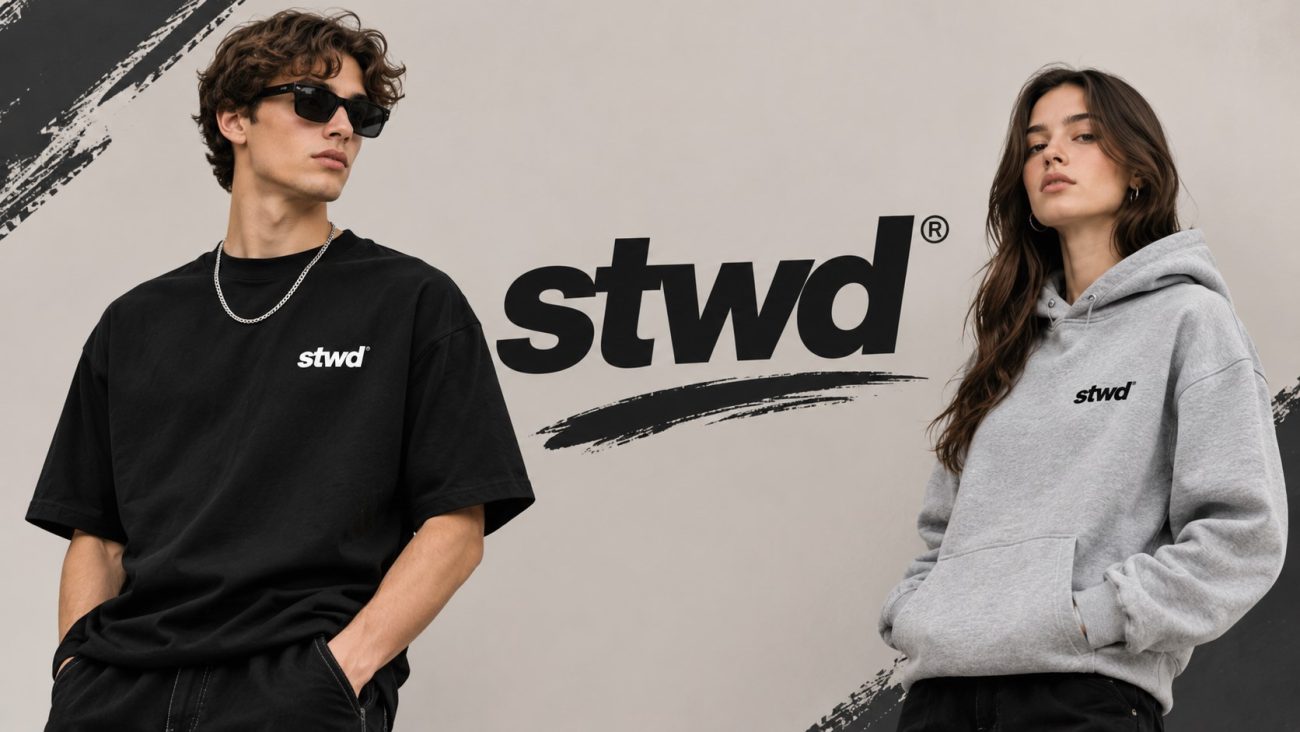
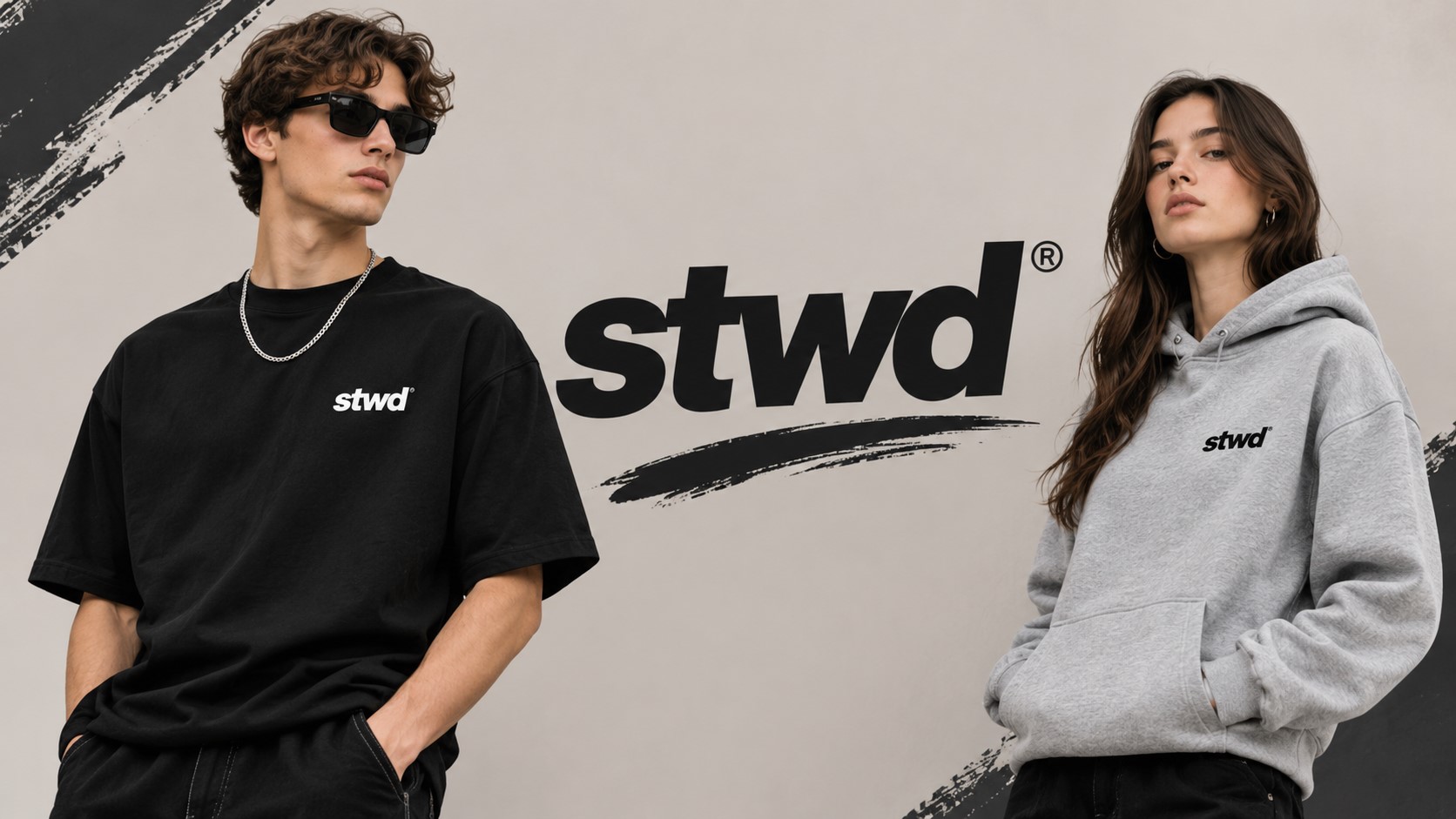
One site that makes this easier is stwd, which carries a range of clothing, including ropa, so you can compare cuts and styles in one place rather than hopping between tabs. Pay attention to how a garment is described, not just how it looks in a photo. Words like relaxed, slim, or oversized tell you more about the actual fit than the size number does. If a product page lists body measurements next to the garment, use those over your usual size guess every time.
When you’re choosing ropa for a trip, favor cuts that sit close enough to the body to pack flat without bunching, but not so tight that humidity and a day of walking make them uncomfortable, and browsing options like ropa stwd can help you compare travel-friendly cuts side by side.
Checking Fabric and Fit Together for Warm Weather
Fit and fabric are a package deal, not two separate decisions. A linen shirt cut generously will drape and breathe, while the same cut in a stiffer cotton blend can look boxy and feel stuffy in the heat. Natural fibers like linen, cotton, and lightweight viscose move with the body and forgive a slightly loose fit, which is part of why they dominate warm-weather wardrobes. Synthetic blends can trap heat, so if you’re buying for a hot climate or a beach trip, a closer check on fabric content pays off more than agonizing over an inch of extra room.
Stretch changes the math too. A fitted dress with a touch of elastane will move with you on a dance floor or a long walk, while the same silhouette in a rigid weave restricts movement and shows every wrinkle. Before buying, picture the actual day you’ll wear the piece: sitting on a plane, walking a cobblestone street, lounging by a pool. The right fit for that specific activity, combined with a fabric that handles warmth and movement, beats chasing a flattering fit on a mannequin that never has to move at all.
Fitting Ropa for Packing and Travel
Travel adds a second layer to fit decisions, because clothes that fit well standing still don’t always fit well after being folded into a suitcase for two weeks. Loose, structured pieces tend to wrinkle and lose shape faster than softer, slightly fitted ones that spring back after being packed. When you’re choosing ropa for a trip, favor cuts that sit close enough to the body to pack flat without bunching, but not so tight that humidity and a day of walking make them uncomfortable.
Layering is where fit gets tricky on the road. A base layer that’s too snug will peek out awkwardly under a light jacket, while one that’s too loose adds bulk you don’t need in a carry-on. Choosing pieces with a similar, predictable fit across your trip, rather than mixing drastically different silhouettes, makes outfits easier to plan and pack. It also helps to try on a full travel outfit together before you leave, since fit that feels fine piece by piece can shift once you add a bag strap, a scarf, or a second layer for cooler evenings.
Common Fit Mistakes to Avoid
The most common mistake is buying based on how a size usually fits rather than how this specific garment fits. Cuts vary by brand, by fabric, and even by season within the same brand, so skipping the measurement check because you
Frequently asked questions
How do I know if clothing fits correctly before buying online?
Check the brand’s measurement chart against your own body measurements rather than trusting the size label alone. Read the product description for fit notes like relaxed, slim, or true to size, since these details matter more than the number on the tag.
What fabrics are best for warm-weather travel clothing?
Linen, cotton, and lightweight viscose breathe well and move with the body, making them forgiving choices for hot climates. Synthetic blends can trap heat, so they’re usually better suited to cooler layers rather than beach or summer travel pieces.
Should travel clothes fit tighter or looser than everyday wear?
A slightly closer fit often packs and travels better, since loose, structured pieces wrinkle more easily in a suitcase. Aim for a fit close enough to the body to avoid bulk, but comfortable enough for walking, sitting, and warm weather.