
How to Spot a Well-Made Tracksuit Before You Buy


Why a Well-Made Tracksuit Matters More Than Style
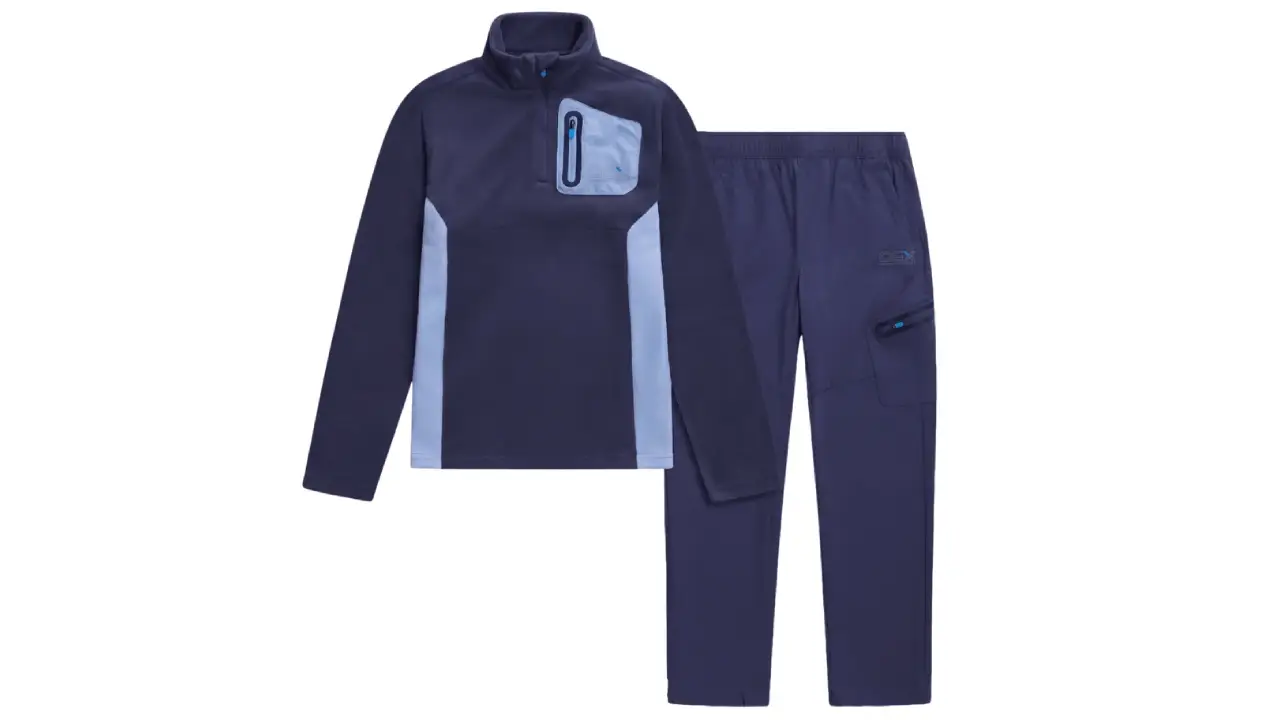
A well-made tracksuit earns its place in a wardrobe because it gets worn constantly: on travel days, at the gym, around the house, on cool evenings by the water. If the fabric pills after two washes or the waistband loses its grip, the whole piece becomes a chore to wear rather than a comfort. Before buying, it helps to think less about the print or color and more about how the garment is built. A good tracksuit holds its shape, moves with you, and doesn’t sag at the knees or elbows after a few wears. Price alone won’t tell you this. You have to look closely at the fabric weight, the stitching, and the way the pieces are cut. Brands that sell basics alongside more technical pieces, such as 45keys, give you a chance to compare a few builds side by side before deciding. Hold the top and bottom up to the light if you can. Thin spots or uneven dye usually mean corners were cut somewhere in production, and that usually shows up fastest at the seams.
Key takeaways
- Check fabric weight and feel first; a well-made tracksuit shouldn’t feel thin or glossy on both sides.
- Flat, even stitching at the crotch, underarm, and pocket seams signals careful construction.
- Test fit by moving in the garment and folding it to see how quickly wrinkles release.
Fabric Weight and Feel
Run your hand over the inside of the fabric before anything else. A tracksuit meant to last should feel substantial without being stiff, and the inner surface should feel brushed or looped rather than slick and thin. Cheap synthetic blends often feel glossy on both sides, which is a sign they’ll pill quickly and trap heat instead of breathing. Cotton-poly blends with a bit of weight tend to drape better and resist wrinkling in a bag, which matters if you’re packing for warm-weather travel. Stretch the cuffs and waistband gently. They should spring back without looking stretched out or wavy. If the elastic feels thin or the stitching around it looks loose, that’s often the first part of the garment to fail. Shops that focus on casualwear, including 45 keys, usually list the fabric blend on the product page, so you can compare weight and fiber content before you commit. A heavier cotton blend will also hold color longer than a thin, fully synthetic one, which matters if you plan to wear the set often in the sun.
Stitching, Seams, and Construction Details
Turn the tracksuit inside out and look at the seams. Flat, even stitching with no loose threads is the clearest sign of careful construction. Overlocked edges (the kind that wrap the raw fabric edge in thread) resist fraying far better than a simple straight stitch left exposed. Check the crotch seam and the underarm seam especially, since these take the most stress during movement and are usually the first place a cheaply made tracksuit splits. Pockets deserve a close look too. Reinforced stitching at the pocket corners means they were built to hold keys or a phone without tearing. Zippers should glide without catching, and the pull should feel solid, not like it will snap off within a month. Matching patterns at the seams, especially on striped or color-blocked designs, is another quiet sign of quality. A rushed factory run often misaligns these on purpose to save fabric, and you’ll notice it immediately once you know to look. None of this takes more than a minute to check in a store or in close-up photos online, and it saves you from buying something that falls apart by its second season.
Fit, Packing, and Long-Term Wear
A well-made tracksuit should fit close enough to look intentional without restricting movement at the shoulders, hips, or ankles. Try raising your arms and sitting down before deciding on size. If the jacket rides up sharply or the pants pull tight across the thigh, the cut wasn’t designed with real movement in mind. For travel, a tracksuit that resists deep creasing is worth seeking out, since it often doubles as an outfit for flights, layovers, and cool evenings on a trip. Fold it the way you would for a suitcase and see how quickly the wrinkles fall out once you shake it loose. That’s a quick, honest test of the fabric’s recovery. If you’re shopping for one built with both daily wear and packing in mind, the tracksuit 45keys page is worth a look for comparing cuts and fabric options side by side. Wash it once before judging the final fit, since some blends shrink slightly in the first cycle. A tracksuit that still looks sharp after a dozen washes, with seams intact and color unchanged, was almost certainly built with the details covered here in mind from the start.
Frequently asked questions
How can I tell if a tracksuit fabric is good quality?
Feel the inside of the fabric; it should be brushed or looped rather than slick. A heavier cotton-poly blend usually drapes better, resists pilling, and holds color longer than a thin, fully synthetic fabric.
What stitching details show a tracksuit is well made?
Look for flat, overlocked seams with no loose threads, especially at the crotch, underarm, and pocket corners. Matching patterns at the seams on striped designs is another sign of careful construction.
Does a well-made tracksuit wrinkle less when packed?
Yes, a tracksuit made with a quality fabric blend usually releases creases faster after being packed than a thin synthetic one. Folding it and shaking it out is a quick way to test this before buying.