

Versatile Basics Every Warm-Weather Wardrobe Needs

Why Warm-Weather Basics Matter
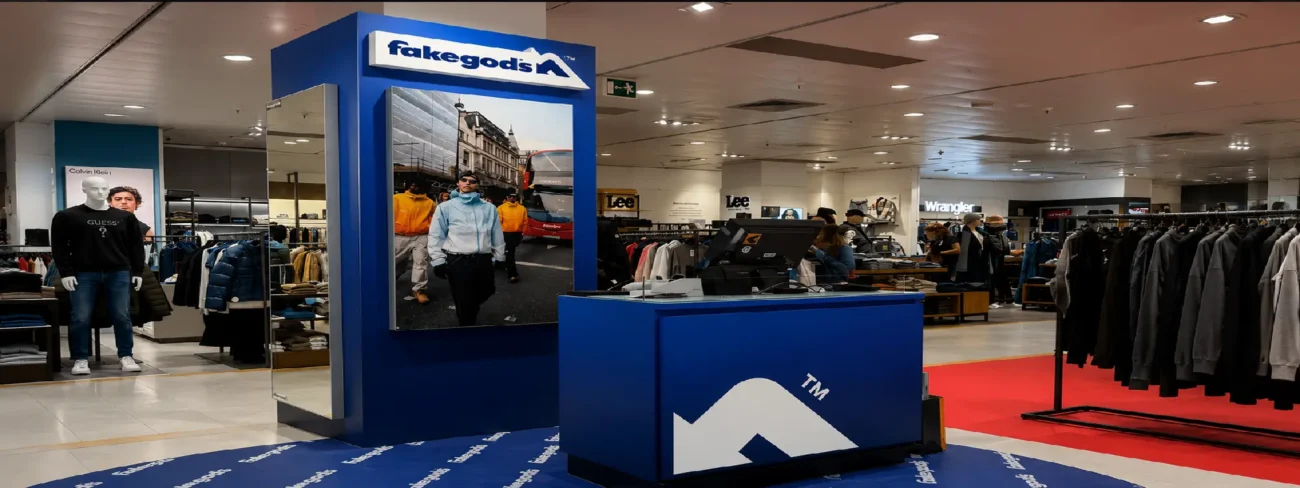
Warm-weather basics are the pieces you reach for without thinking: a light shirt, a simple dress, a pair of shorts that go with everything. When your closet is full of one-off statement pieces, mornings get slower and suitcases get heavier. A small set of dependable basics fixes both problems. They mix with almost anything you already own, they survive heat and humidity without wilting, and they never look out of place whether you’re at a beach town cafe or a city rooftop. Building this kind of wardrobe takes some editing. You have to be honest about what you actually wear versus what looked good on a hanger. Start by pulling everything you own in linen, cotton, and light knits into one pile, then ask which pieces you’ve worn in the last month. If you’re shopping to fill gaps, a general clothing shop like fakegods is worth a look for straightforward basics rather than trend pieces that fade fast. For readers who prefer to browse online first, fake goods is one option worth checking for simple, wearable staples. The goal isn’t a bigger closet, it’s a smarter one, where every item earns its space by working with several others.
Key takeaways
- Choose breathable fabrics like linen and cotton over heavy synthetics for hot climates.
- A handful of neutral, mixable pieces beats a closet full of one-off statement items.
- Pack one warm layer and limit shoe choices to keep your warm-weather wardrobe light and simple.
Fabrics That Actually Handle Heat
Fabric choice matters more than cut when the temperature climbs. Linen is the obvious pick because it breathes and releases heat, though it wrinkles fast, so treat those creases as part of the look rather than a flaw to fight. Cotton, especially lighter weaves like poplin or voile, holds up almost as well and resists wrinkling a bit better, which makes it a safer bet for travel days. Blends of cotton with a small amount of stretch fiber give you comfort without the bagginess pure cotton sometimes develops after a few wears. Avoid heavy synthetics in warm climates; they trap heat and can feel damp against skin within an hour outdoors. Loose weaves also matter as much as fiber content. A tightly woven cotton shirt can feel warmer than a loosely woven linen one, so check how much light passes through the fabric when you hold it up. That’s a rough but reliable test for breathability. Color plays a role too: lighter shades reflect sun and feel cooler against skin than dark ones, which is worth remembering when you’re standing in a fitting room deciding between two versions of the same shirt.
The Core Pieces Worth Owning
A few items do most of the work in a warm-weather wardrobe. A breathable button-up shirt in a neutral color works over swimwear, under a blazer, or on its own with rolled sleeves. Lightweight shorts in a mid-length cut are more versatile than very short ones, since they move easily between casual walks and slightly dressier settings. A simple sundress in a solid color earns its keep because it needs almost no styling: sandals and it’s done. Even in hot climates, evenings can turn cool near water or after sunset, so one warm layer belongs in the mix. A sudadera fake gods style pullover in a light cotton blend covers that gap without adding much bulk to a suitcase. Round out the set with a pair of sandals that can handle both sand and pavement, and a canvas tote that works as a beach bag one day and a market bag the next. None of these pieces needs to be expensive or flashy. What matters is that each one pairs easily with at least three or four other items you own, so you’re never left staring at a closet full of clothes with nothing to wear.
Packing These Basics Without Overdoing It
Once you’ve settled on your core pieces, packing gets much simpler. Choose one or two color families so everything mixes freely, then build outfits around layering rather than separate looks for each day. Roll fabrics like linen and cotton instead of folding them; it saves space and cuts down on deep creases. Pack one warm layer even for a beach trip, since flights and evenings can run colder than expected. Shoes take up the most room, so limit yourself to two pairs: one for walking, one for anything dressier. If you’re restocking before a trip, browsing a shop that sells fake goods, meaning straightforward, well-made basics rather than costume pieces, can save time compared to hunting through fast fashion racks for something that actually breathes. Lay everything out before you pack and remove at least one item; most travelers overpack basics they already have doubles of at home. A warm-weather wardrobe built this way travels light, dries fast if you handwash on the road, and looks intentional without requiring much thought each morning. That’s really the point of basics: less decision-making, more time actually enjoying the warm weather you packed for in the first place.
Frequently asked questions
What fabrics are best for warm-weather basics?
Linen and lightweight cotton weaves like poplin or voile handle heat best because they breathe and release warmth. Avoid heavy synthetics, which trap heat and feel damp against skin in humid conditions.
How many pieces do I really need for a warm-weather wardrobe?
A small set works best: a couple of breathable shirts, mid-length shorts, one sundress, one warm layer, and two pairs of shoes. The key is choosing pieces that mix with several others rather than adding more items.
Should I pack a warm layer for a beach trip?
Yes, even in hot destinations evenings can turn cool, especially near water or on flights. A lightweight pullover takes up little space and covers that gap without adding bulk to your suitcase.