
Layering Tips for Unpredictable Holiday Weather

Why Holiday Weather Layering Matters
Holiday weather layering is the only real defense against a trip where mornings are cold, afternoons are hot, and evenings turn windy without warning. Packing for one climate rarely works anymore, especially on coastal trips or mountain getaways where temperatures can swing twenty degrees before lunch. Instead of hauling a suitcase full of single-purpose outfits, the smarter move is choosing a small set of pieces that combine in different ways. A good base shirt, a flexible mid layer, and one solid outer piece can cover far more ground than five separate outfits built for five separate forecasts.
Key takeaways
- Choose base layers in breathable, neutral fabrics that can be worn alone or under other pieces.
- Mid layers should fold flat and work half-open, since holiday weather rarely stays consistent all day.
- A packable outer layer, like a simple hoodie, covers cool evenings without taking up much suitcase space.
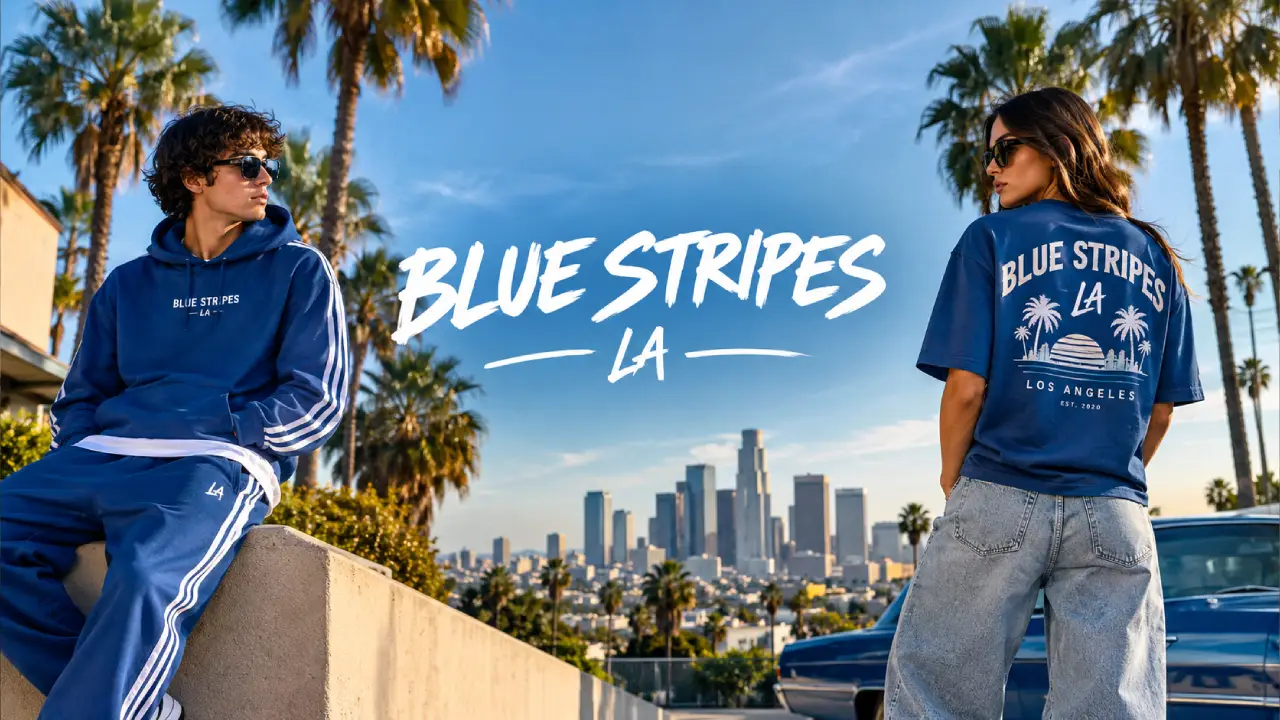
Shoppers looking for simple, wearable basics sometimes start at blue strips la, where the clothing leans toward everyday pieces that don’t need much thought to style. That kind of simplicity matters on a trip, because the last thing you want is to overthink what goes with what while you’re also juggling flights or beach plans. The goal with holiday weather layering isn’t to pack more, it’s to pack pieces that do double duty. A shirt that works under a jacket in the morning and on its own by afternoon saves space and decision fatigue, which matters more than people expect once they’re actually living out of a suitcase for a week or two.
Building a Base Layer That Actually Works
Your base layer touches your skin all day, so fabric choice matters more here than anywhere else in the packing list. Cotton feels soft but holds onto sweat, which turns uncomfortable fast if you’re walking around in warm sun one hour and ducking into air conditioning the next. Lightweight blends or moisture-wicking fabrics handle that back-and-forth much better, staying dry without feeling clingy or synthetic against the skin.
Stick to a neutral color palette for your base pieces: white, gray, navy, or a soft beige. Neutral tones layer under almost anything without clashing, which means you can rotate the same two or three shirts across a full week without anyone noticing you’re repeating. Pack slightly looser fits rather than fitted ones. A loose base layer leaves room to add a mid layer on top without feeling restrictive, and it breathes better in humid holiday destinations where airflow actually matters more than warmth.
Short sleeves are more versatile than long sleeves for holiday trips, since you can always add a layer over them, but you can’t shorten a long sleeve once you’re sweating. Keep one long-sleeve base as backup for cooler evenings, and build the rest of your base layer around short sleeves you’ll actually wear twice or three times.
Mid Layers That Flex With the Day
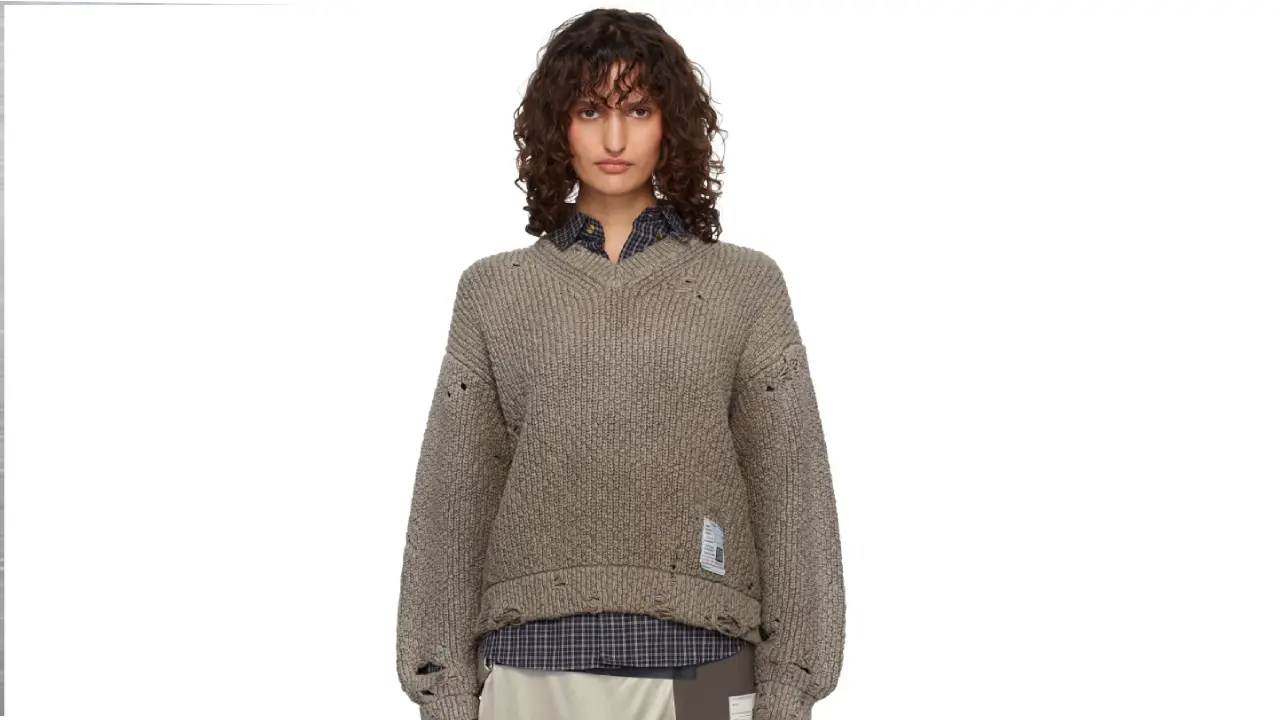
The mid layer is where most people either overpack or underpack. A light cardigan, a thin quarter-zip, or a simple button-up shirt worn open over a tee all do the same job: they add warmth without bulk, and they come off easily the moment the sun gets strong. Choose mid layers in fabrics that fold small, since you’ll be carrying them in a bag or tying them around your waist more often than actually wearing them buttoned up.
Pattern and texture can live in this layer since it’s not touching skin all day the way a base layer does. A lightweight flannel or a textured knit adds visual interest to an otherwise plain outfit while still packing down flat. Browsing a site like bluestripsla can give you a sense of how a few simple mid layer pieces might pair with basics you already own, without needing to buy a whole new wardrobe for one trip.
Avoid mid layers that only work zipped all the way up. You want something you can wear half-open, tied at the waist, or draped over a bag strap, because holiday weather rarely stays consistent long enough to justify a layer with only one way to wear it.
Outer Layers and Final Touches
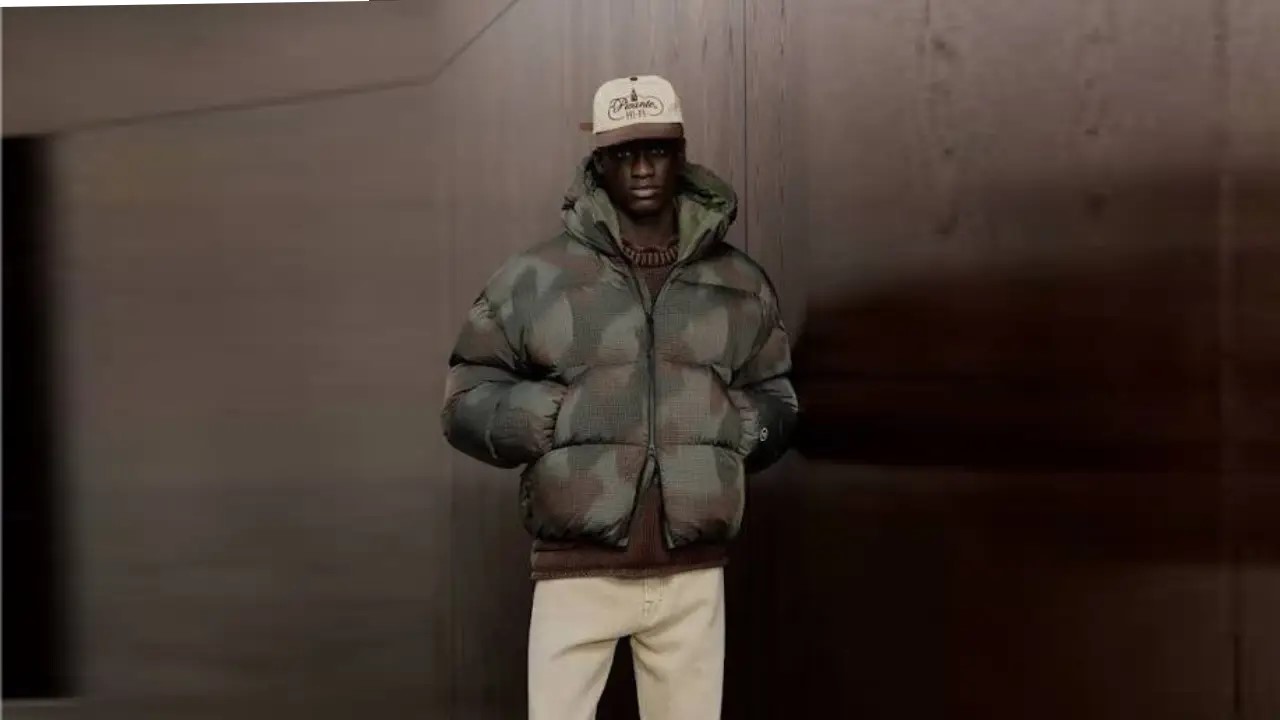
Your outer layer is the one piece you’ll actually be judged on in photos, so it’s worth choosing something that looks intentional rather than purely functional. A structured jacket or a casual pullover both work, but the fit matters more than the fabric weight for most holiday climates, since you’re rarely dealing with true winter cold.
For cooler evenings or breezy coastal nights, a hoodie remains one of the most practical outer layers you can pack, since it layers over almost anything and takes up little space rolled into a bag. If you’re shopping around for one, the bluestrips hoodie is worth a look as an example of a simple, low-fuss option that doesn’t try too hard. The point of this final layer isn’t to make a statement, it’s to give you something warm to throw on without ruining the outfit underneath.
Finish with small accessories that solve real problems: a packable rain shell, a scarf that doubles as a blanket on a plane, or a hat that blocks sun and wind equally well. None of these take up much room, but each one covers a gap your main layers can’t. Holiday weather layering works best when every piece earns its spot in the bag.
Frequently asked questions
How many layers should I pack for a holiday trip with mixed weather?
Three flexible layers are usually enough: a breathable base, a foldable mid layer like a cardigan or light pullover, and one outer piece such as a hoodie or jacket. Mixing and matching these three covers most temperature swings without overpacking.
What fabrics work best for holiday weather layering?
Lightweight blends and moisture-wicking fabrics handle temperature changes better than heavy cotton, which holds onto sweat and feels uncomfortable once you warm up. Stick to breathable materials for anything touching your skin directly.
Should I pack bright colors or neutrals for a layered holiday wardrobe?
Neutral tones like navy, gray, and beige are easier to layer together and mix across multiple outfits without clashing. Save brighter colors or patterns for a single statement mid layer rather than your full packing list.