How to Spot a Well-Made Rain Jacket

Why a well-made rain jacket matters more than the label
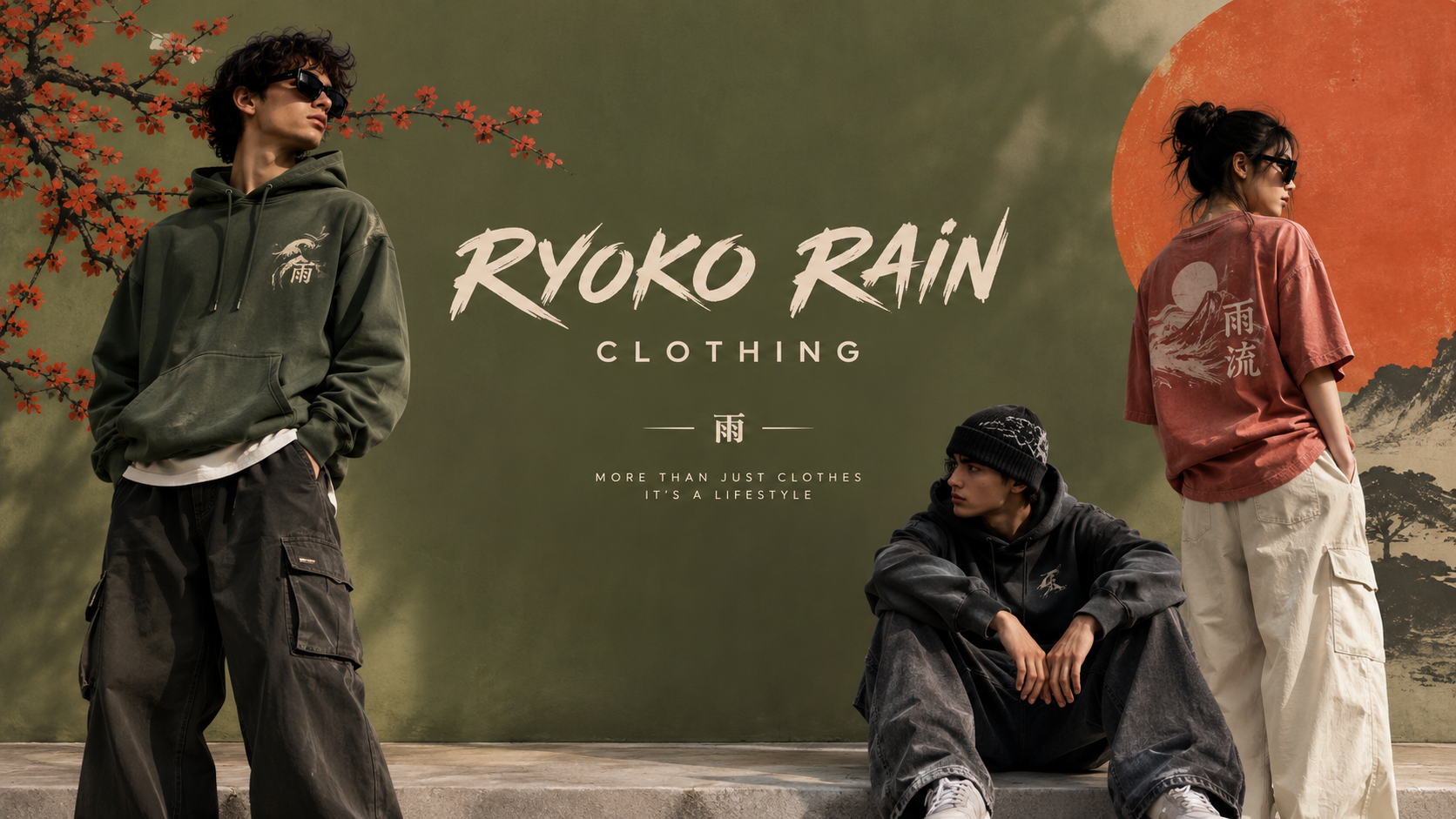
A well-made rain jacket earns its keep over years, not seasons. Too many shoppers judge a rain jacket by its color or cut and ignore the details that actually keep water out. The truth is that a cheap shell and an expensive one can look nearly identical on a hanger, but they behave very differently once you’re standing in a downpour. If you want gear that holds up, you have to look past the branding and check the construction itself. Start by checking the shop’s own description for the fabric and coating used, since vague language like “water resistant” often means light treatment rather than real waterproofing. A brand that sells ryoko rain, for instance, is worth a look if you’re comparing how different retailers describe their outerwear construction. Pay attention to how the jacket feels in your hands too: a well-made rain jacket has a certain density and stiffness to the fabric that tells you something was built to last. Thin, floppy material usually means thin protection. None of this requires expert knowledge, just a slower, more deliberate look at what you’re buying before it leaves the store or the cart.
Key takeaways
- Check taped seams and zipper quality before judging a rain jacket by looks alone.
- Heavier fabric resists damage better while lighter fabric packs smaller for travel.
- A quick water test at home reveals whether the water-repellent coating still works.
Seams, taping, and the parts you can’t see from a distance
Seams are where most rain jackets fail first, so they deserve the closest inspection. Flip the jacket inside out and look at every seam, especially at the shoulders, underarms, and hood. Quality jackets use fully taped seams, which means a strip of waterproof tape is heat-sealed over the stitching so water can’t creep through the needle holes. If you see raw stitching with no tape, or tape that’s starting to peel at the edges on a new garment, that’s a red flag. Run your fingers along the seam and check for bubbling or unevenness, since a poorly applied tape job often shows up as small wrinkles or gaps. Also check how many seams the jacket actually has. Fewer seams generally mean fewer potential leak points, which is why some premium designs use larger fabric panels instead of multiple smaller pieces stitched together. The ryoko rain jacket page is a useful example of how a retailer lays out construction details, since comparing a few listings side by side helps you learn what thorough documentation actually looks like versus a generic product page with no real specifics.
Zippers, closures, and small hardware that signals quality
Zippers are a small detail that reveals a lot about overall build quality. A well-made rain jacket typically uses a water-resistant or fully waterproof zipper, often with a rubberized coating or a storm flap covering it. Cheap zippers corrode quickly, snag on fabric, and let water seep through the teeth even when closed. Run the zipper up and down a few times in the store or right after unboxing. It should move smoothly without catching, and the pull tab should feel solid rather than flimsy plastic that might snap in cold weather. Check the cuffs and hem too. Adjustable cuffs with a secure closure, whether velcro or a snap, keep wind and rain from sneaking up your sleeves. A drawcord hem that cinches tight matters more than people expect, since a loose hem lets cold air pool inside the jacket. Hood design is another giveaway. A good hood has a stiffened brim or wire so it stays out of your eyes in wind, plus enough adjustment points to seal around your face. These are the parts that wear out first on lower-quality jackets, so they’re worth extra scrutiny before you commit to a purchase.
Fabric weight, breathability, and testing before you buy
The outer fabric itself tells you a lot once you know what to feel for. Heavier denier fabric generally resists abrasion and punctures better, which matters if you’re hiking or dealing with branches and rough surfaces. Lighter fabric packs smaller and weighs less, which suits travel, but it often trades away durability. Neither is wrong, but you should know which tradeoff you’re making. Breathability matters just as much as waterproofing, since a jacket that keeps rain out but traps sweat inside becomes uncomfortable fast. Look for pit zips or mesh-lined vents if you plan to wear the jacket during activity rather than just walking between buildings. A simple home test works well too: run the jacket under a faucet or hold it under a shower for a minute and watch where water beads versus where it soaks in. Beading means the durable water repellent coating is doing its job. Before finalizing any purchase, browse a retailer’s full outerwear section, and you’ll notice that a site like ryokorain organizes jackets by weight and intended use, which makes comparison shopping considerably easier than guessing from photos alone. For general browsing, it also helps to check ryoko rain directly to see how outerwear categories are structured.
Frequently asked questions
How can I tell if a rain jacket is actually waterproof and not just water resistant?
Check for fully taped seams and a listed waterproof rating rather than vague marketing language. Water-resistant jackets usually have a light coating that wears off quickly, while waterproof ones use sealed seams and heavier membranes.
Does a more expensive rain jacket always mean better quality?
Not always, but price often correlates with details like seam taping, zipper quality, and fabric durability. It’s better to inspect the construction directly than to rely on price as the only signal.
How long should a well-made rain jacket last with regular use?
A well-constructed jacket with proper care can last several years, especially if the durable water repellent coating is reapplied occasionally. Cheaper jackets with unsealed seams often fail within a single rainy season.