
Fresh Outfit Inspiration for Everyday Style

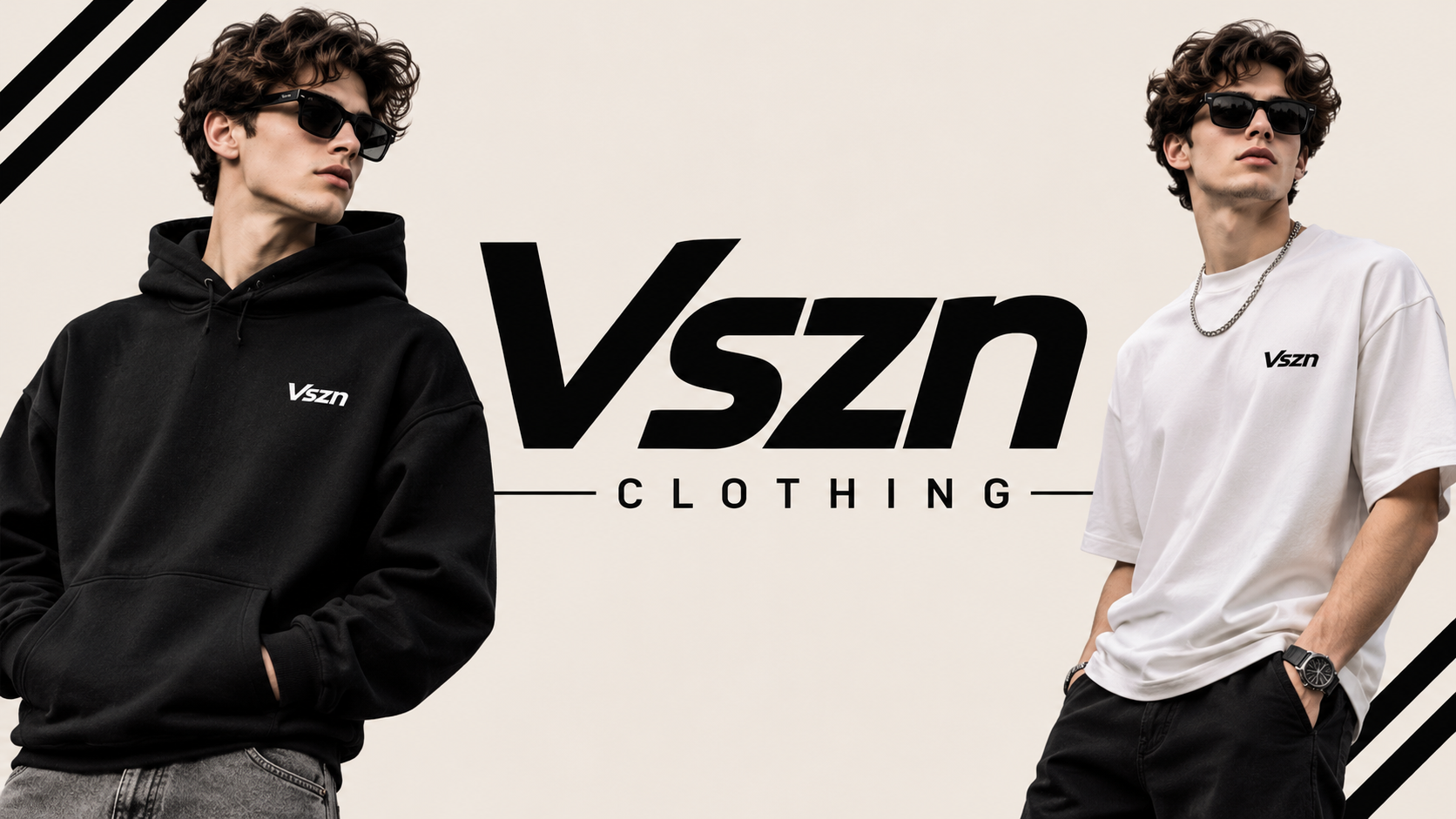
Everyday Style Doesn’t Need a Full Wardrobe Overhaul
Fresh outfit inspiration for everyday style usually comes from small adjustments, not a complete closet swap. Most people already own the pieces they need; the problem is pairing them differently or updating one or two items that have gone stiff, faded, or ill-fitting. Start by laying out what you actually wear in a normal week. You’ll likely notice repeats: the same jeans, the same two shirts, the same jacket. That’s fine. The goal isn’t to buy everything new, it’s to find two or three combinations you haven’t tried yet.
Key takeaways
- Small fabric and color swaps refresh everyday outfits without a full wardrobe overhaul.
- Breathable fabrics like linen and cotton blends work best for warm-weather everyday style.
- Repeating a few simple outfit formulas reduces decision fatigue and keeps your look consistent.
A good trick is to swap one fabric for the season. If your current rotation leans heavy on cotton, try a linen-blend shirt for warmer days. If everything is dark, add one lighter neutral like sand or soft green. These small shifts make outfits feel current without forcing a trend you don’t actually like. For anyone short on ideas, browsing a shop like vszn for a few minutes can spark a direction, even if you end up recreating the look with pieces you already own.
If you want to see how a small, well-edited lineup looks in practice, a brand like vszn clothing keeps its range simple enough to study in one sitting. Looking at a tightly curated selection, rather than a massive catalog, can actually make outfit planning easier. When there are fewer options, the pairings become more obvious, and you start to see how a handful of pieces can cover a whole week without repeating the exact same look twice.
Everyday style works best when it’s repeatable. If an outfit takes fifteen minutes to assemble, you won’t wear it twice. Keep your refreshed looks simple enough to grab on a Tuesday morning. Write down or photograph the combinations that work so you’re not reinventing the wheel every time you get dressed. A simple list on your phone, even just five outfits, can remove a surprising amount of daily stress.
Building Outfits Around Fabric, Not Just Color
Color gets most of the attention in outfit planning, but fabric does more of the actual work. A linen shirt and a cotton shirt in the same shade will never look or move the same way. Linen wrinkles on purpose, giving a relaxed, lived-in feel. Cotton holds its shape longer and reads a bit more polished. Knowing which one fits your day helps you dress with less guesswork.
For warm-weather everyday style, lightweight and breathable fabrics matter more than cut. A loose linen or linen-cotton blend shirt paired with simple shorts or straight trousers covers most casual situations, from errands to outdoor lunches. Avoid anything too structured if you’re going to be outside for hours; stiff fabric traps heat and looks uncomfortable by midday.
Layering also changes with fabric choice. A thin cotton overshirt adds coverage without bulk, which is useful for air-conditioned spaces or breezy evenings. Keep layers light enough that you could remove one without the outfit falling apart. That flexibility is really what everyday style inspiration is about: clothes that adjust to your actual day instead of forcing you to plan around them.
Texture is worth considering too. A slightly nubby linen or a waffle-knit cotton adds visual interest without needing a bold color or pattern. This matters most in warm climates, where you’re often limited to lighter shades and simpler cuts just to stay comfortable. Texture gives you a way to add personality to an outfit that would otherwise look plain, without adding heat or bulk.
Simple Outfit Formulas Worth Repeating
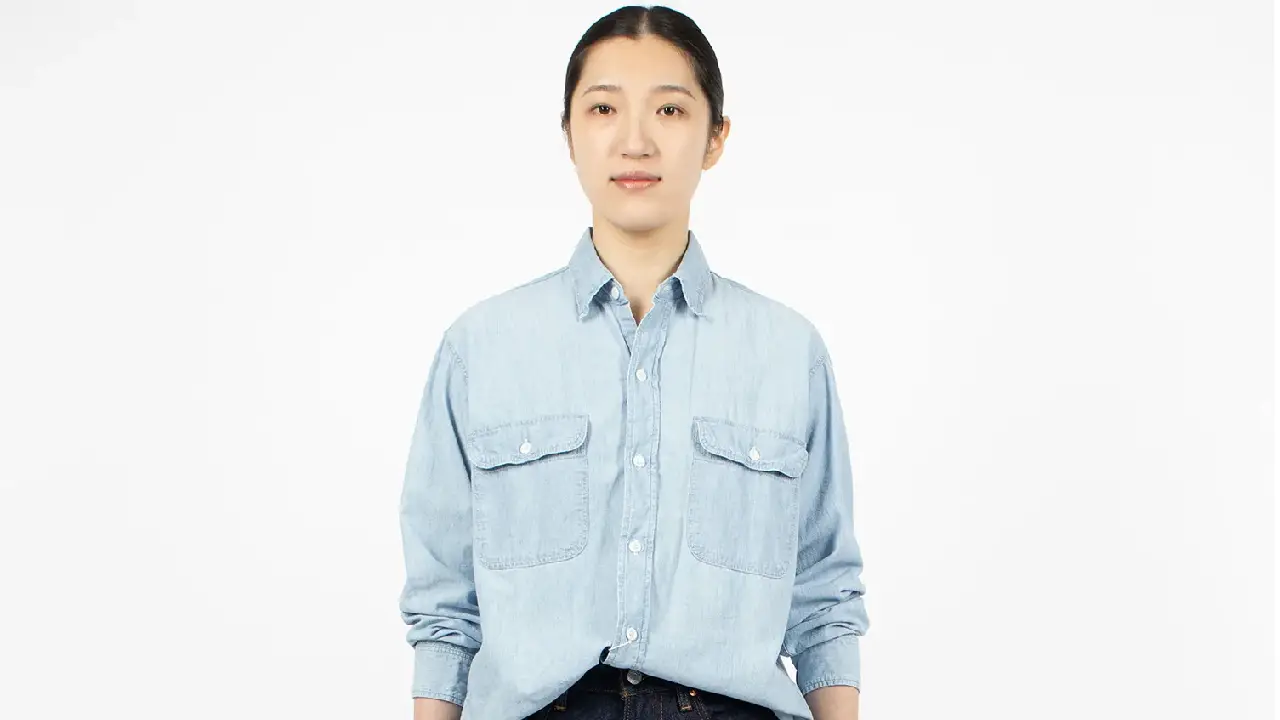
Having a few reliable formulas removes the morning decision fatigue that kills outfit creativity. One easy formula: a relaxed button-up shirt, straight-leg pants, and simple slip-on shoes. It works for casual meetings, weekend errands, or dinner out with almost no changes. Another formula: a soft t-shirt, light overshirt, and shorts or chinos, which suits warmer climates and travel days equally well.
Rotate colors within these formulas rather than changing the structure. A navy shirt one day, a stone-colored one the next, keeps things feeling fresh without extra thought. This is where a small, well-chosen wardrobe beats a packed closet. Fewer pieces that fit well and pair easily will always outperform a large collection of items you never quite reach for.
A third formula worth keeping in rotation is built around layering for travel: a breathable base layer, a packable overshirt, and pants that don’t wrinkle easily in a suitcase. This combination holds up whether you’re walking through an airport or sitting outside at a café in the evening. It also packs down small, which matters if you’re trying to travel light.
If you want a quick reset, pick three tops and two bottoms you already own and force yourself to mix them in new combinations for a week. You’ll likely find at least one pairing you hadn’t considered, which is often all the inspiration you need. Keep a short note of what worked and what didn’t. Over a month or two, this kind of small experimenting builds a clearer sense of your own everyday style, one that holds up better than copying a single outfit photo and hoping it translates to your actual life and climate.
Frequently asked questions
How can I update my everyday style without buying a lot of new clothes?
Focus on rearranging pieces you already own into new combinations first. Add one or two versatile items, like a lighter shirt or a neutral pair of pants, rather than replacing your whole wardrobe.
What fabrics work best for warm weather everyday outfits?
Linen, linen-cotton blends, and lightweight cotton are the most breathable choices. They move with you and don’t trap heat the way heavier or synthetic fabrics do.
How many outfit formulas do I actually need?
Two or three reliable formulas are usually enough for most weeks. Rotating colors and small details within those formulas keeps outfits feeling fresh without extra planning.