

Packing a Jacket for Travel Without the Wrinkles or Weight

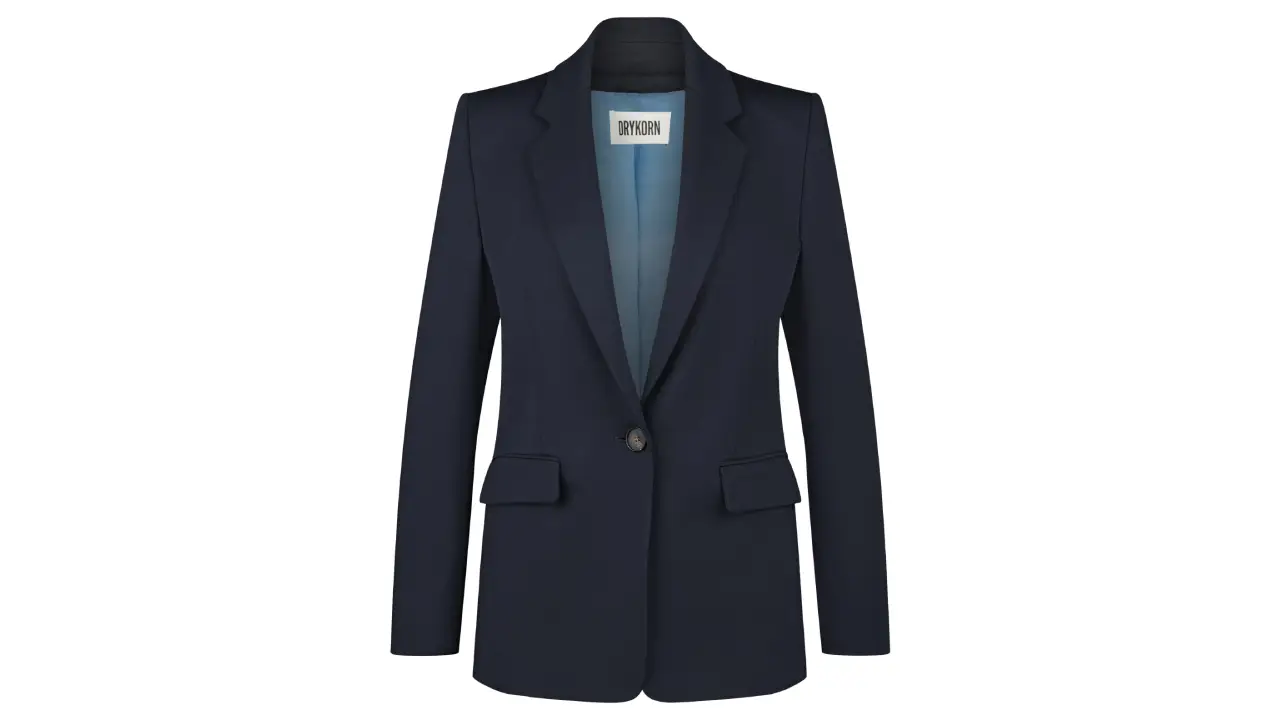
Why Packing a Jacket for Travel Takes Some Thought
Packing a jacket for travel is trickier than it looks. A jacket is bulky, it creases easily, and it often has to work for more than one climate on the same trip. Throw it in loosely and you end up with a crumpled mess by the time you land. Fold it the wrong way and the lining stretches or the shoulders lose their shape. The goal is a system you can repeat every time you travel, not a one-off trick that only works for a single suitcase.
Key takeaways
It pays to compare a few options first, and Drykorn Jeans is a sensible place to start.
- Choose a jacket with fabric that has some give, since stiff materials crease deeply when folded.
- Fold using the shoulder-tuck method and add a dry-cleaning bag or packing cube to reduce friction and wrinkles.
- Pick a neutral, versatile jacket that works across casual and slightly dressier occasions so one piece covers the whole trip.
Start by thinking about what the jacket needs to do once you arrive. If it is going to double as outerwear for cool evenings and a layer for a dinner out, that changes how much room you give it in your bag and how you fold it. A brand like drykorn makes jackets built with travel-friendly fabrics in mind, which is worth considering if you are shopping for a new piece before a trip. The right fabric choice at the buying stage makes the packing stage much easier later on, since some materials simply bounce back from a suitcase better than others.
Before you even open your suitcase, lay the jacket flat and check for any structure in the shoulders or the lining. That tells you whether it can be rolled or whether it needs a flat fold to avoid permanent creasing.
Choosing a Jacket That Travels Well
Not every jacket belongs in a suitcase. Heavy wool coats and structured blazers with stiff interfacing hold their shape on a hanger but turn into a wrinkled lump once folded. Look instead for jackets made from fabrics with some give: a soft wool blend, a technical shell, or a lightly structured cotton. These materials resist deep creasing and recover their shape after a day or two hanging up at your destination.
Color and pattern matter too. A solid, mid-tone jacket hides minor wrinkles far better than pale colors or anything with a sharp pattern that shows every fold line. If you are packing for someone else or shopping together before a trip, the collection at drykorn damen includes pieces cut with travel in mind, with fabrics that move with the body instead of stiffening up in a bag.
Think about weight as well. A heavier jacket takes up more suitcase space and adds pounds you might not want to carry through an airport. A lighter jacket with a bit of structure often does the same job for a weekend trip or a business meeting without weighing down your bag.
Packing Techniques That Keep a Jacket Wrinkle Free
The folding method you use matters as much as the jacket itself. The classic approach: turn one shoulder inside out, slide the other shoulder into it, then fold the jacket in half lengthwise. This keeps the shoulder seams from creasing sharply and tucks the lining on the inside where any wrinkles are hidden rather than on the visible outer fabric.
Packing cubes or a simple plastic dry-cleaning bag wrapped around the folded jacket reduce friction between the fabric and everything else in your suitcase, which is often what causes deep creases in the first place. Place the jacket near the top of the bag, not squashed under shoes or a toiletry kit, and resist the urge to stuff anything on top of it.
If your trip allows it, wearing the jacket onto the plane solves the packing problem entirely and gives you an extra layer during the flight. For longer trips where that is not practical, a garment bag folded over your rolling suitcase protects the jacket without adding much extra bulk, and it is worth the small amount of space it takes up.
Styling a Travel Jacket Across Different Climates
A jacket that works in more than one setting earns its spot in your suitcase. Pick one that layers easily over a t-shirt in mild weather but still looks finished over a button-down for dinner. This flexibility matters more on trips with shifting weather, where mornings are cool and afternoons warm up fast.
Neutral tones pair with almost everything you pack, which means you can get away with bringing one jacket instead of two. A navy, olive, or charcoal piece works with jeans, chinos, or slightly dressier trousers without looking out of place in either setting. For travelers who want a jacket that covers both casual days and the occasional smarter evening, the drykorn jacke range offers options cut for that kind of versatility.
Think about function too: a jacket with secure inner pockets keeps your passport or phone close without adding bulk to your pants pockets at the airport. Packing a jacket for travel becomes much simpler once you have one piece that handles both the climate and the occasions you expect, rather than packing a separate jacket for every scenario.
Frequently asked questions
How do you pack a jacket without wrinkling it?
Turn one shoulder inside out, tuck the other shoulder into it, then fold lengthwise so the seams stay smooth. Wrapping the folded jacket in a thin plastic bag and placing it near the top of your suitcase also reduces creasing.
Should I roll or fold a jacket for travel?
Most jackets fold better than they roll, since rolling tends to crush shoulder structure. Softer, unstructured jackets can sometimes be rolled loosely, but the shoulder-tuck fold works for nearly every style.
What is the best fabric for a travel jacket?
Fabrics with some natural give, like wool blends or soft technical shells, resist deep creasing better than stiff cotton or heavily interfaced blazers. These materials also bounce back faster once hung up at your destination.